

Perioperative Care of a Child With Miller-Dieker Syndrome
DOI:
https://doi.org/10.14740/jmc5320Keywords:
Miller-Dieker syndrome, Lissencephaly, Seizure, Pediatric anesthesiologyAbstract
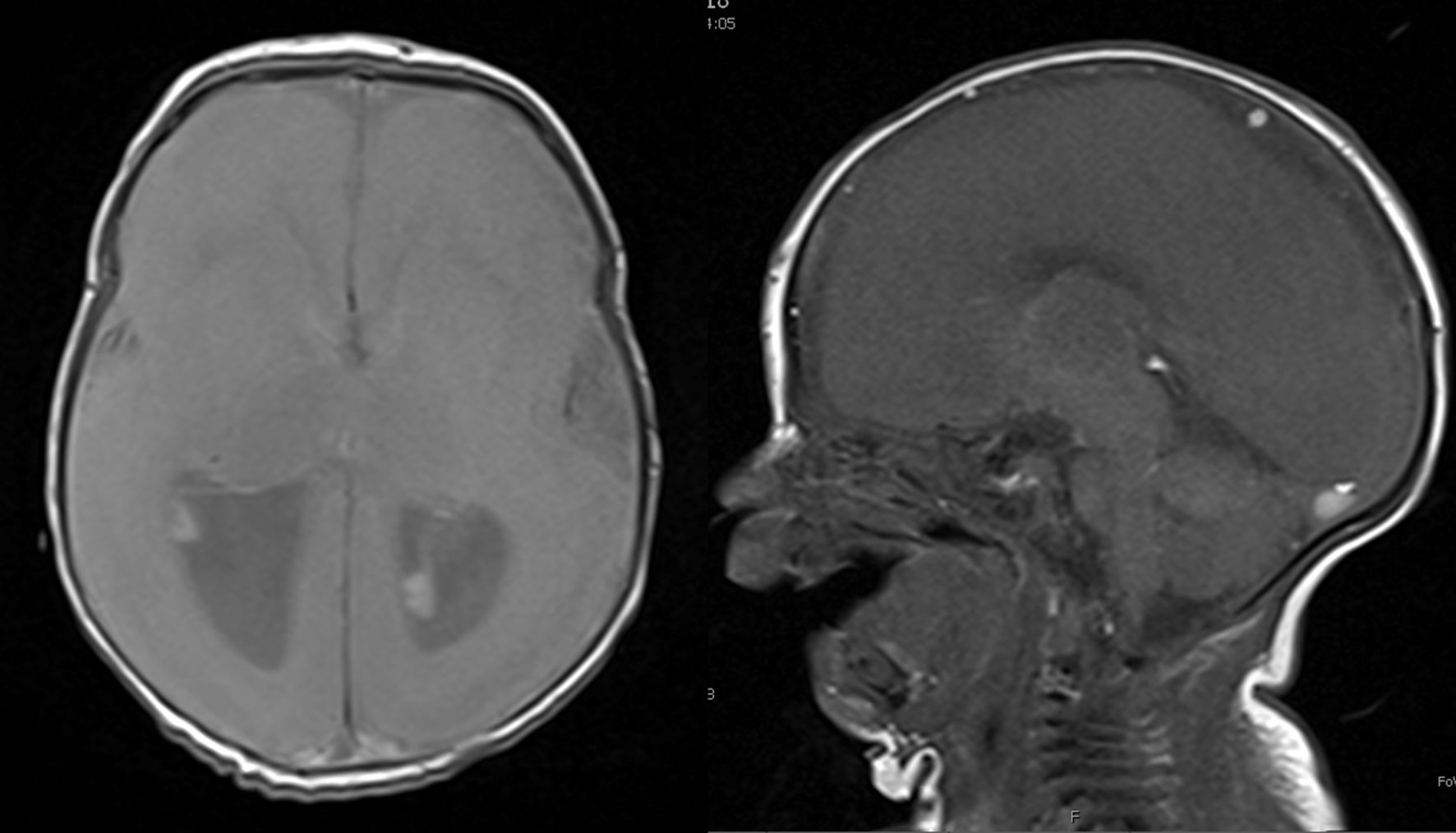
Miller-Dieker syndrome (MDS), also known as Miller-Dieker lissencephaly syndrome or chromosome 17p13.3 deletion syndrome, is a rare chromosomal disorder (microdeletion syndrome) characterized by lissencephaly, altered facial features, and neurologic disability. Classic phenotypic findings include a prominent forehead, micrognathia, and a short nose. Children with MDS are often born with associated end-organ involvement including congenital heart disease as well as motor and neurologic impairments including seizures. Progressive central nervous system involvement frequently leads to upper airway and swallowing dysfunction with recurrent bouts of aspiration, pneumonia, and respiratory failure. We present a 3-year-old child with MDS who presented for anesthetic care for a cystoscopy with ureteroscopy, lithotripsy, and ureteral stent exchange. We explore the genetic history of this disorder, outline end-organ involvement with anesthetic implications, and discuss potential options for perioperative care.
Published
Issue
Section
License
Copyright (c) 2026 The authors

This work is licensed under a Creative Commons Attribution 4.0 International License.