

Complex Oncologic Surgery in a Nonagenarian With Severe Aortic Stenosis: Integration of Enhanced Recovery After Surgery Protocol, Total Intravenous Anesthesia, and Advanced Hemodynamic Monitoring
DOI:
https://doi.org/10.14740/jmc5279Keywords:
Elderly, Major surgery, Frailty, Aortic stenosis, Total intravenous anesthesia, Enhanced recovery after surgeryAbstract
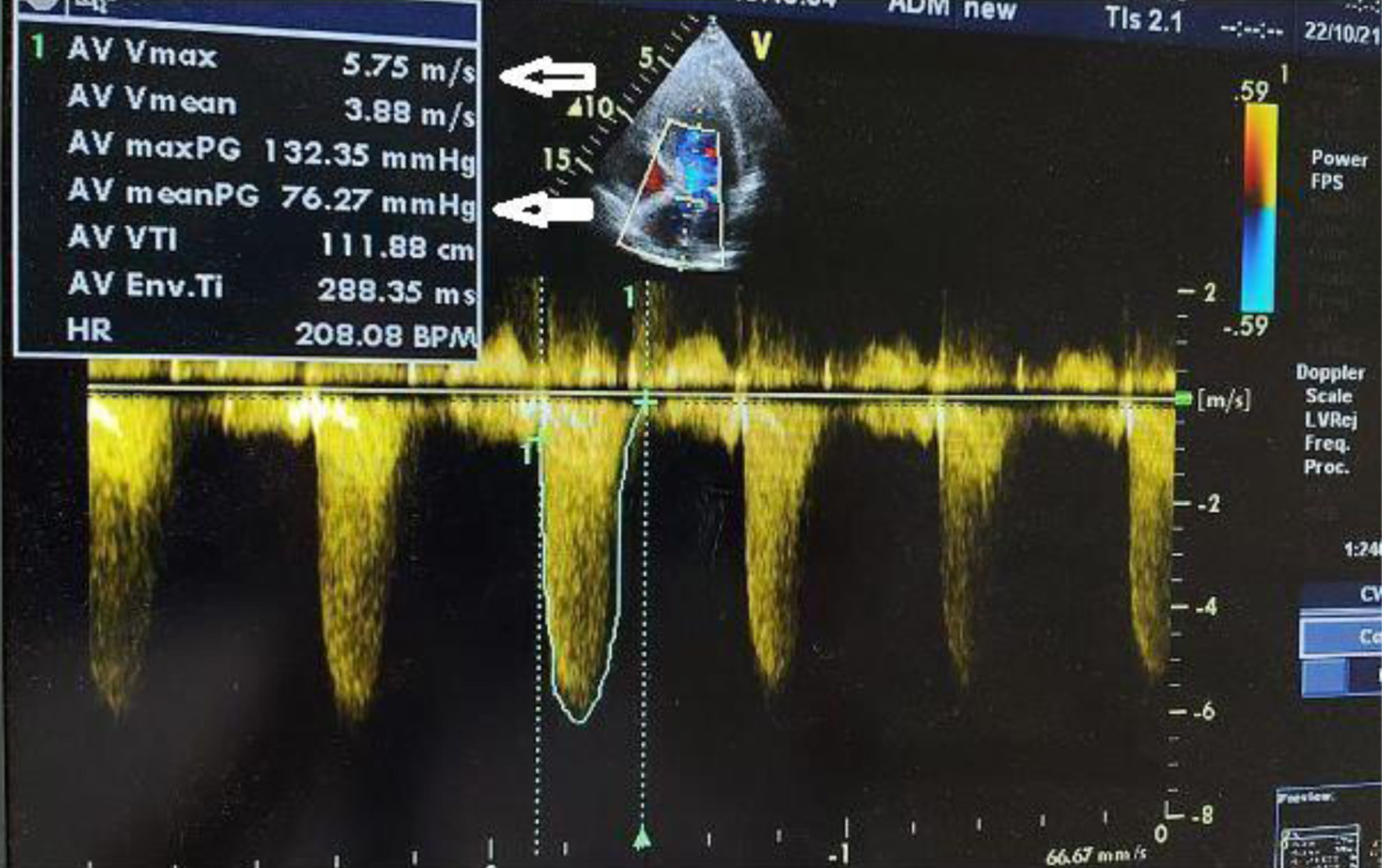
The number of elderly patients presenting for major surgery is steadily increasing, and perioperative management in this population remains challenging because of frailty, multiple comorbidities, and reduced physiological reserve. Severe aortic stenosis represents a particularly high-risk condition due to fixed stroke volume and sensitivity to even brief episodes of hypotension or tachycardia. We describe the perioperative course of a 92-year-old woman who underwent combined right radical nephroureterectomy, cystectomy, and total hysterectomy with bilateral salpingo-oophorectomy, using a multimodal strategy that included total intravenous anesthesia, enhanced recovery after surgery principles, and advanced hemodynamic monitoring with MOSTCARE. Despite considerable cardiovascular and surgical risk, intraoperative hemodynamics remained stable, the patient was extubated in the intensive care unit 2 h after surgery, and postoperative recovery was uneventful. This case demonstrates that well-selected very elderly patients may successfully undergo complex oncologic surgery when care is individualized, multidisciplinary collaboration is strong, and modern perioperative strategies are rigorously applied.
Published
Issue
Section
License
Copyright (c) 2026 The authors

This work is licensed under a Creative Commons Attribution 4.0 International License.