

Klebsiella pneumoniae Liver Abscess in a Filipino Patient With Previously Undiagnosed Diabetes: Successful Conservative Management
DOI:
https://doi.org/10.14740/jmc5377Keywords:
Pyogenic liver abscess, Klebsiella liver abscess, Klebsiella pneumoniaeAbstract
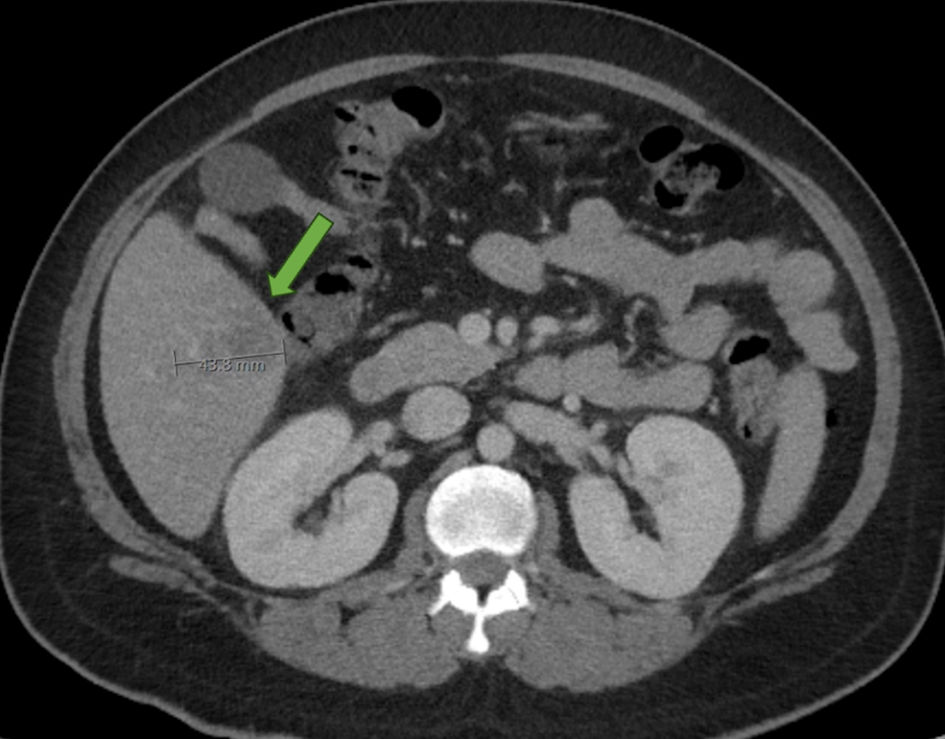
Klebsiella pneumoniae is a common pathogen of pyogenic liver abscess (PLA), particularly among individuals with diabetes mellitus and those of Asian ethnicity. A 32-year-old Filipino man with no prior medical history presented with fever, headache, nausea, and vomiting and was found to have new-onset diabetic ketoacidosis (DKA). Laboratory evaluation revealed leukocytosis, thrombocytopenia, elevated liver enzymes, hyperbilirubinemia and lactic acidosis. Abdominal computed tomography (CT) showed hepatosplenomegaly, variable hepatic abnormalities including < 2 cm hypodense lesions and a large ill-defined area of decreased density in the inferior right liver lobe. The patient was hospitalized for sepsis and DKA. Empiric piperacillin–tazobactam was administered for 24 h and subsequently de-escalated to ceftriaxone after blood cultures grew extended-spectrum β-lactamase–negative Klebsiella pneumoniae; ceftriaxone was continued for 4 weeks. Due to the number, size and inaccessible location of the liver lesions, percutaneous drainage was not feasible. After 16-week follow-up, the patient achieved complete clinical recovery and radiological resolution of hepatic lesions. This case highlights variable hepatic lesion presentations in Klebsiella liver abscess (KLA) with successful conservative management without drainage.
Published
Issue
Section
License
Copyright (c) 2026 The authors

This work is licensed under a Creative Commons Attribution 4.0 International License.