

Combined Red Cell Exchange and Plasma Exchange for Post-Arrest Refractory Cardiorespiratory Failure in Sickle Cell Disease Sparing Extracorporeal Membrane Oxygenation
DOI:
https://doi.org/10.14740/jmc5350Keywords:
Acute chest syndrome, Exchange transfusion, Plasma exchange, Sickle cell disease, Extracorporeal membrane oxygenation, Therapeutic apheresis, Multiorgan failure, fat embolism syndromeAbstract
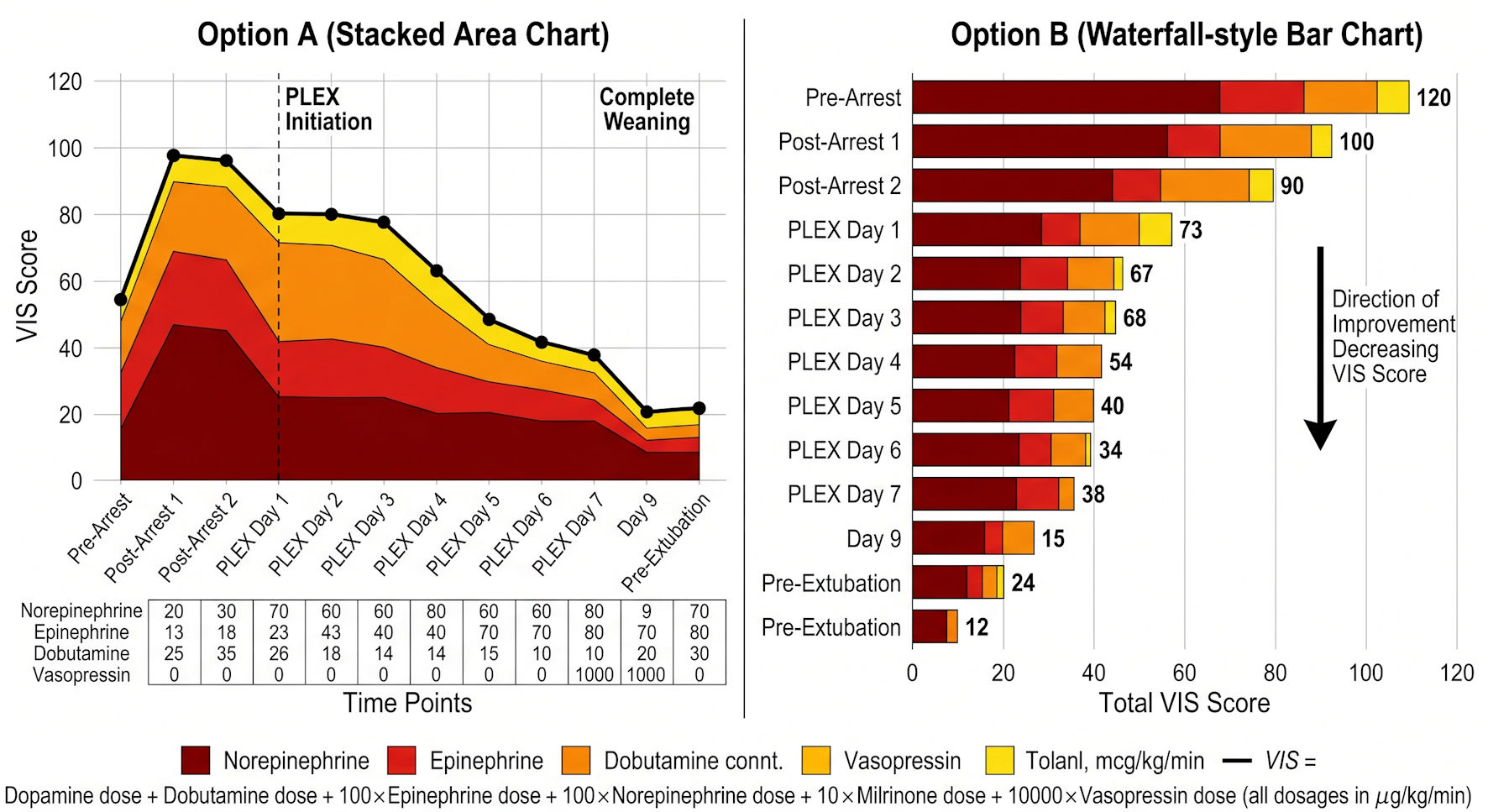
Extracorporeal membrane oxygenation (ECMO) is increasingly utilized for refractory respiratory failure in sickle cell disease (SCD), yet registry data indicate in-hospital survival of only 40% in adults, with particular concerns regarding hemolysis, thrombosis, and bleeding processes already pathologically amplified in SCD. A targeted hematologic strategy using combined therapeutic plasma exchange (PLEX) and red cell exchange (RCE) may offer an alternative approach, but high-quality outcome data remain limited. We report a 37-year-old male with homozygous SCD (HbSS genotype) and glucose-6-phosphate dehydrogenase (G6PD) deficiency who presented with severe vaso-occlusive crisis that progressed to two cardiac arrests, shock requiring four vasopressors, severe acute respiratory distress syndrome (PaO2/FiO2 56 mm Hg), biventricular failure, and multiorgan dysfunction. Laboratory findings included marked lactate dehydrogenase elevation (7,169 U/L, > 25 × upper limit of normal) and severe thrombocytopenia (platelet count 37 × 103/µL). A multidisciplinary team considered ECMO but elected to pursue combined RCE and daily PLEX as salvage therapy. Seven sessions of daily PLEX combined with intermittent RCE reduced the hemoglobin S fraction from 73% to 18%. Vasopressor requirements decreased within 24 h, with complete independence by day 8. Inflammatory markers declined substantially within 72 h. The patient was extubated on day 10 and discharged from the intensive care unit on day 14 without neurological deficit. This case demonstrates that combined RCE and daily PLEX may represent a viable salvage strategy for post-arrest refractory cardiorespiratory failure in SCD, potentially sparing the need for ECMO in carefully selected patients. Prospective validation is essential.
Published
Issue
Section
License
Copyright (c) 2026 The authors

This work is licensed under a Creative Commons Attribution 4.0 International License.