

Transient Supplement-Associated Thyrotoxicosis Without Persistent Hyperthyroidism: A Diagnostic Challenge in Endocrine Practice
DOI:
https://doi.org/10.14740/jmc5345Keywords:
Thyrotoxicosis, Hyperthyroidism, IodineAbstract
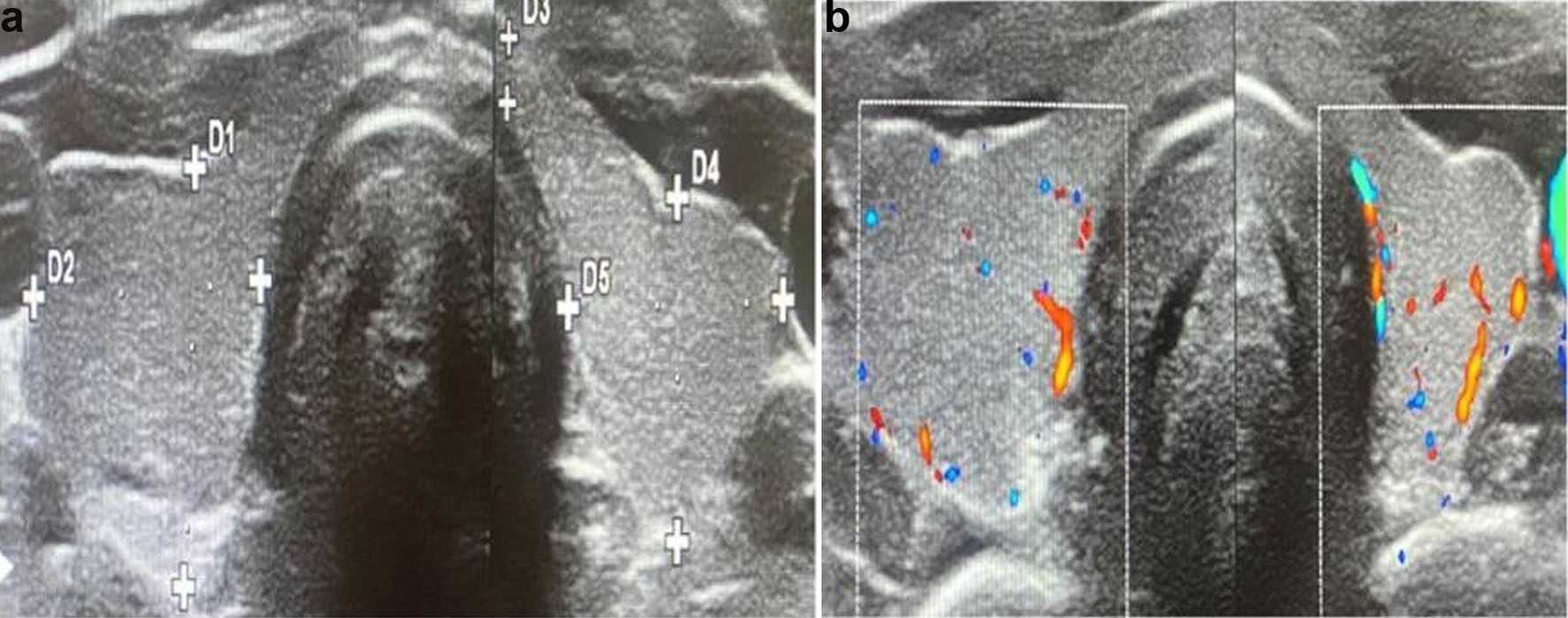
Thyrotoxicosis refers to the clinical state resulting from elevated thyroid hormone levels and may occur with or without underlying hyperthyroidism. Recognizing non-thyroidal and iatrogenic causes is essential for accurate diagnosis and management. A 50-year-old woman presented to a cardiologist due to complaints of palpitations. Electrocardiogram and echocardiogram were performed showing sinus tachycardia. Beta-blocker therapy was prescribed with recommendations for thyroid function testing. The laboratory tests performed in a specialized endocrine clinic confirmed transient thyrotoxicosis without hyperthyroidism and a normal ultrasound image of the thyroid gland. Upon further assessment, an iatrogenic cause was suspected as the most plausible contributing factor—the use of a nutritional supplement for menopausal symptoms containing iodine and other active substances. We present a clinical case of transient most likely supplement-associated thyrotoxicosis without persistent hyperthyroidism with subsequent normalization of thyroid function after symptomatic therapy. Exogenous iodine intake in the form of a dietary supplement is discussed as a possible trigger. The article provides information about the diagnostic and therapeutic algorithm in patients with thyrotoxicosis in the light of real clinical practice and emphasizes the importance of detailed medication and supplement history.
Published
Issue
Section
License
Copyright (c) 2026 The authors

This work is licensed under a Creative Commons Attribution 4.0 International License.