

Geroderma Osteodysplastica in Two Patients: Clinical, Genetic, and Management Insights
DOI:
https://doi.org/10.14740/jmc5343Keywords:
Geroderma osteodysplastica, Connective tissue disorder, ManagementAbstract
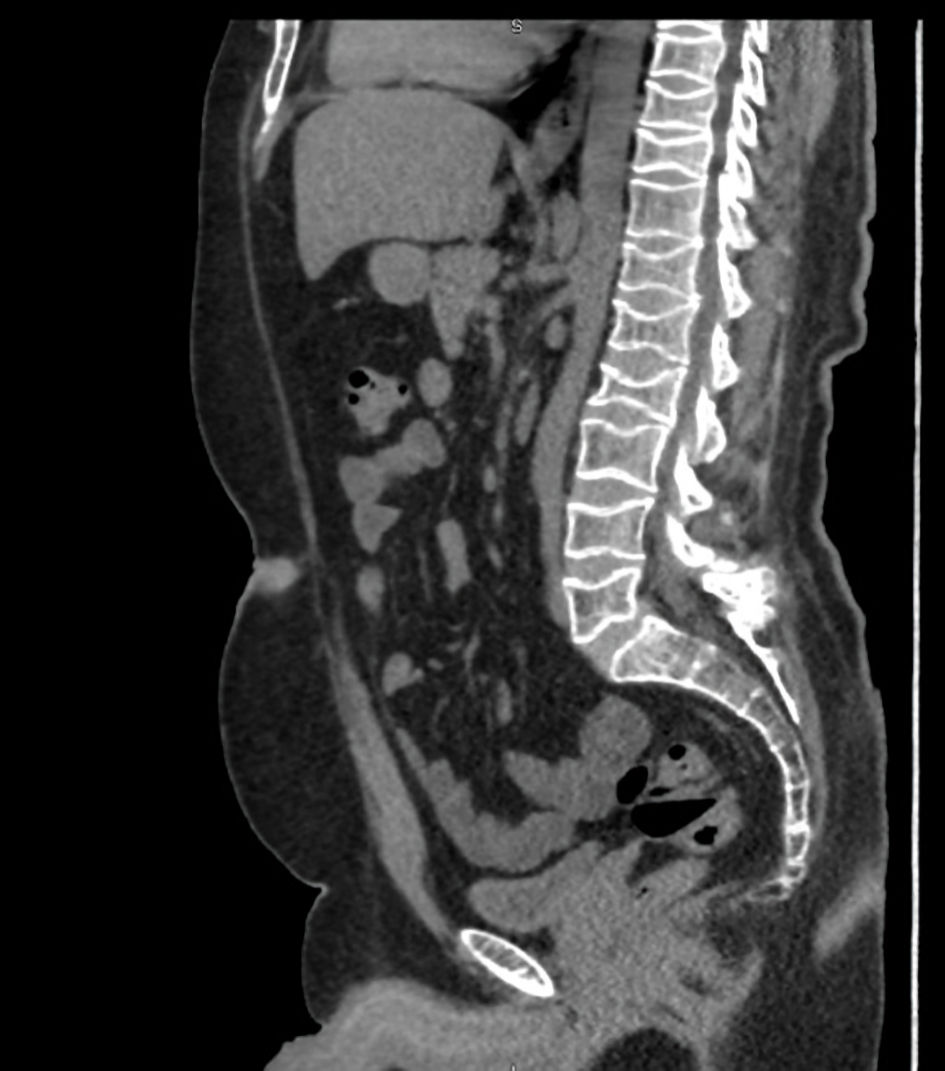
Geroderma osteodysplastica (GO) is a rare autosomal recessive connective tissue disorder caused by pathogenic variants in the GORAB gene, characterized by premature skin ageing, joint laxity, and osteoporosis leading to recurrent fragility fractures. We described two adult Saudi patients with genetically confirmed GO. The first case involved a 34-year-old male with incidental vertebral fractures, congenital hip dislocation, and low bone mineral density (BMD) in the absence of secondary causes. The second case was a 35-year-old female with longstanding skeletal fragility, scoliosis, and prior hip fixation, also showing markedly reduced BMD. Both patients were born to consanguineous parents and had unremarkable hormonal and metabolic evaluations. Genetic testing confirmed the presence of homozygous pathogenic GORAB variants. Management included bone-directed therapy—romosozumab in the male patient and zoledronic acid in the female—along with calcium and vitamin D supplementation. These cases expand the phenotypic and therapeutic spectrum of GO and highlight the importance of considering rare genetic causes of osteoporosis in young adults, especially within consanguineous populations. Early recognition, genetic confirmation, and multidisciplinary management are crucial for optimizing outcomes and improving quality of life in affected individuals.
Published
Issue
Section
License
Copyright (c) 2026 The authors

This work is licensed under a Creative Commons Attribution 4.0 International License.