

Perioperative Care of an Eleven-Year-Old Child With Osteogenesis Imperfecta Type II During Posterior Spinal Fusion
DOI:
https://doi.org/10.14740/jmc5257Keywords:
Osteogenesis imperfecta, Pediatric anesthesia, Posterior spinal fusion, ScoliosisAbstract
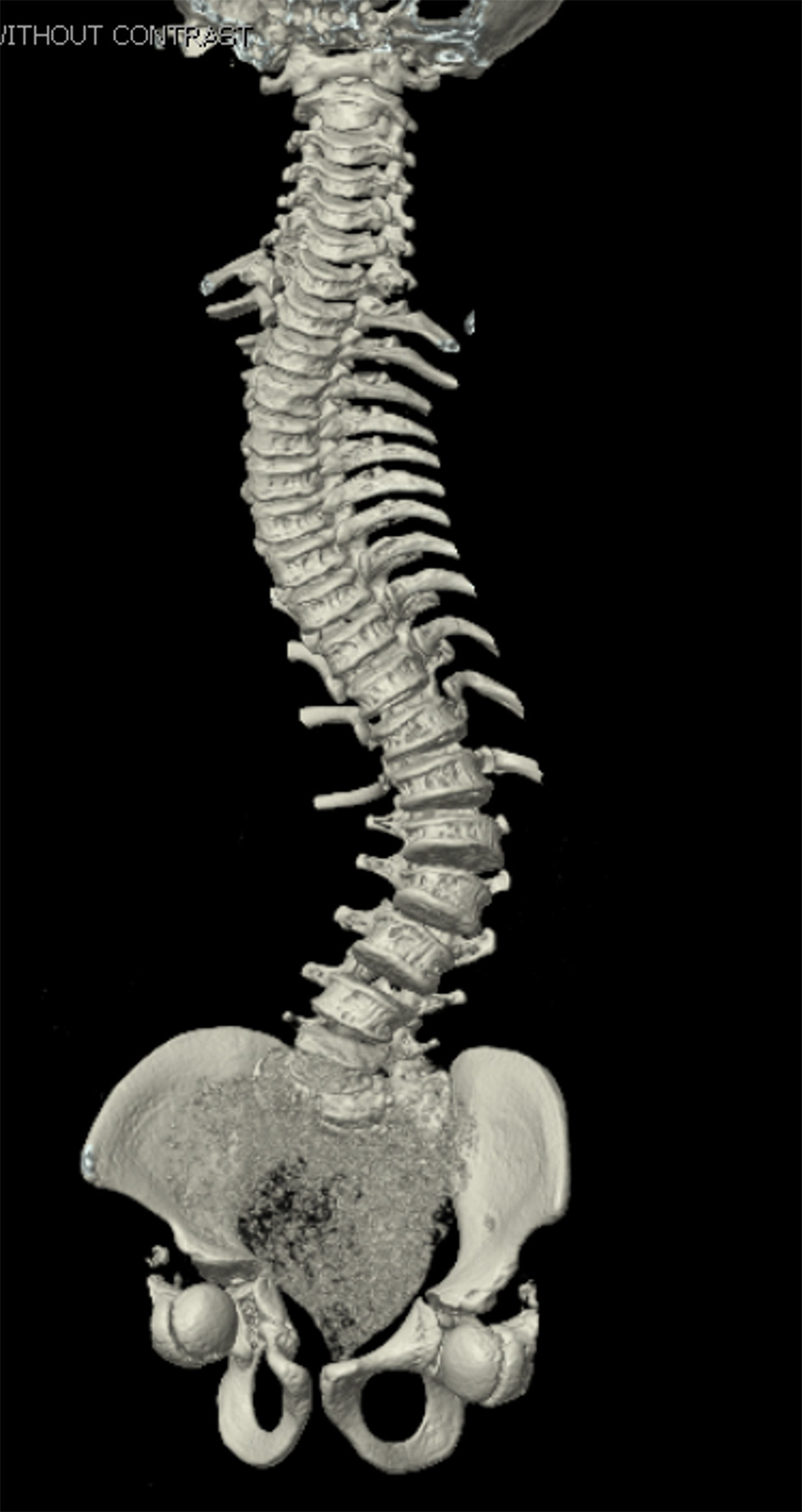
Osteogenesis imperfecta (OI) is an autosomal dominant inherited condition involving connective tissue associated with not only bone fragility, but multi-system involvement with perioperative implications. OI is characterized by bone fragility, skeletal deformities, and variable involvement of the cardiovascular, respiratory, and hematologic systems. Perioperative care poses unique challenges related to the potential for difficult airway management, fracture risk during positioning, restrictive lung disease, coagulation disturbances, and potential hyperthermic reactions. We describe the anesthetic management of an 11-year-old child with OI type II presenting for posterior spinal fusion for progressive scoliosis. The basic cellular mechanisms responsible for OI are reviewed, clinical phenotypic categories and end-organ involvement discussed, and options for intraoperative anesthetic care presented.
Published
Issue
Section
License
Copyright (c) 2026 The authors

This work is licensed under a Creative Commons Attribution 4.0 International License.