Anesthetic and Transfusion Management in Placenta Accreta Spectrum: Lessons From a Resource-Limited Setting and Mini-Review
DOI:
https://doi.org/10.14740/jmc5204Keywords:
Placenta accreta spectrum, Anesthesia, Cesarean section, Massive bleeding, Massive transfusion protocolAbstract
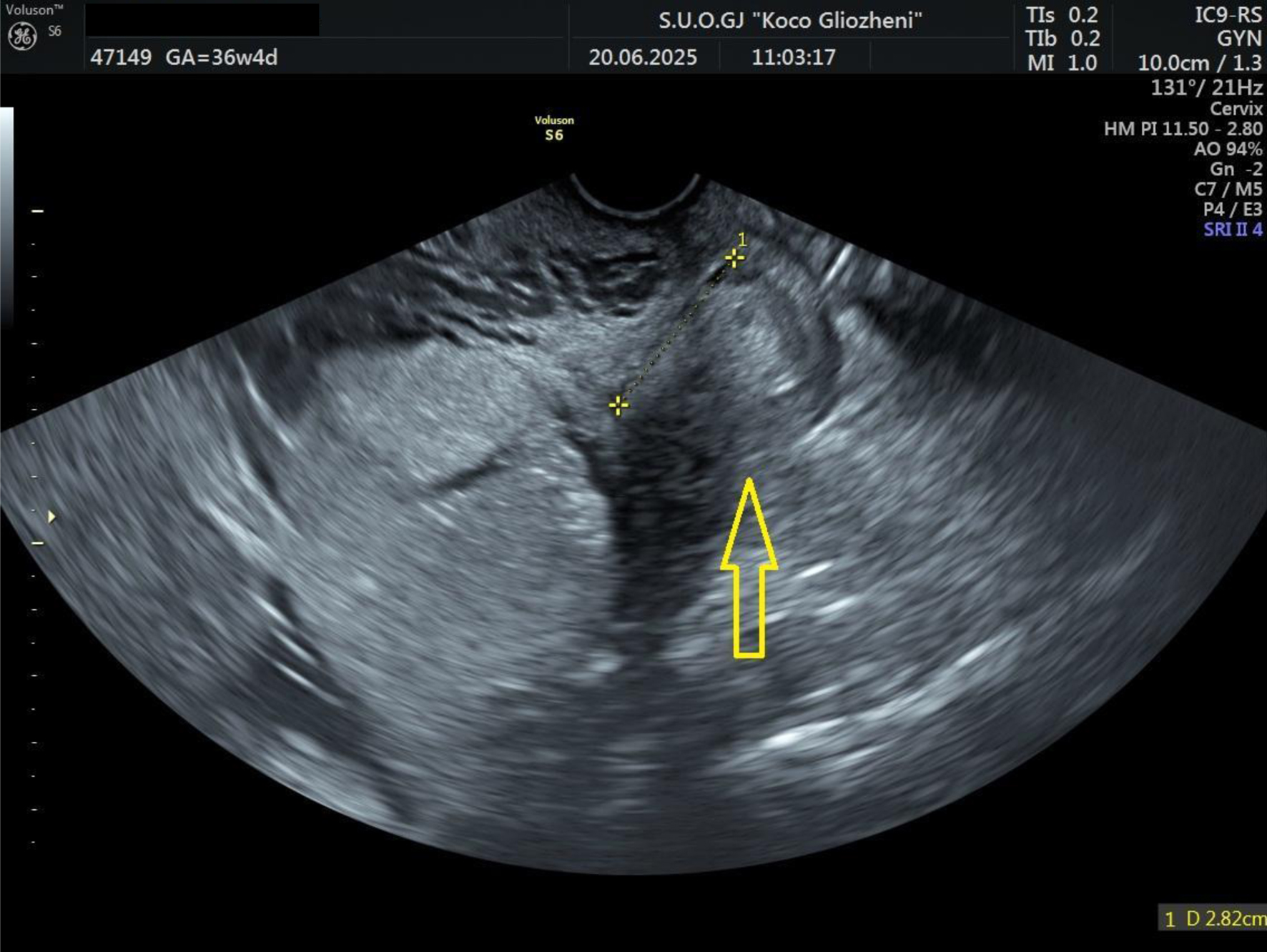
Placenta accreta spectrum (PAS) is a severe obstetric condition characterized by abnormal placental invasion of the myometrium, often resulting in massive hemorrhage and high maternal morbidity and mortality. Optimal management requires early recognition, multidisciplinary coordination, and prompt activation of massive transfusion protocols (MTPs). We report the case of a 41-year-old gravida 3 woman at 36 - 37 weeks of gestation, with two prior cesarean deliveries and a transverse fetal lie, who developed life-threatening hemorrhage during cesarean section for PAS. Spinal anesthesia was promptly converted to general anesthesia to allow safe surgical intervention, which included hysterectomy, hemostatic and vaginal sutures, bladder repair, and massive transfusion. Postoperatively, the patient was stabilized in the intensive care unit and discharged in good condition after 10 days. This case demonstrates that early MTP activation, rapid anesthetic adaptation, and coordinated multidisciplinary care can result in favorable outcomes even in resource-limited settings. It underscores the importance of preparedness, flexible intraoperative decision-making, and collaboration across obstetric, anesthetic, surgical, and critical care teams in the management of high-risk PAS cases.
Published
Issue
Section
License
Copyright (c) 2025 The authors

This work is licensed under a Creative Commons Attribution 4.0 International License.