

Sequential Precision Therapy Strategy for ARID1A/PIK3CA/ATM-Altered Gallbladder Cancer: A Case Report of Prolonged Stable Disease
DOI:
https://doi.org/10.14740/jmc5379Keywords:
Gallbladder cancer, Next-generation sequencing, PIK3CA, ARID1A, ATM, Targeted therapy, Precision oncology, Sequential targeted therapyAbstract
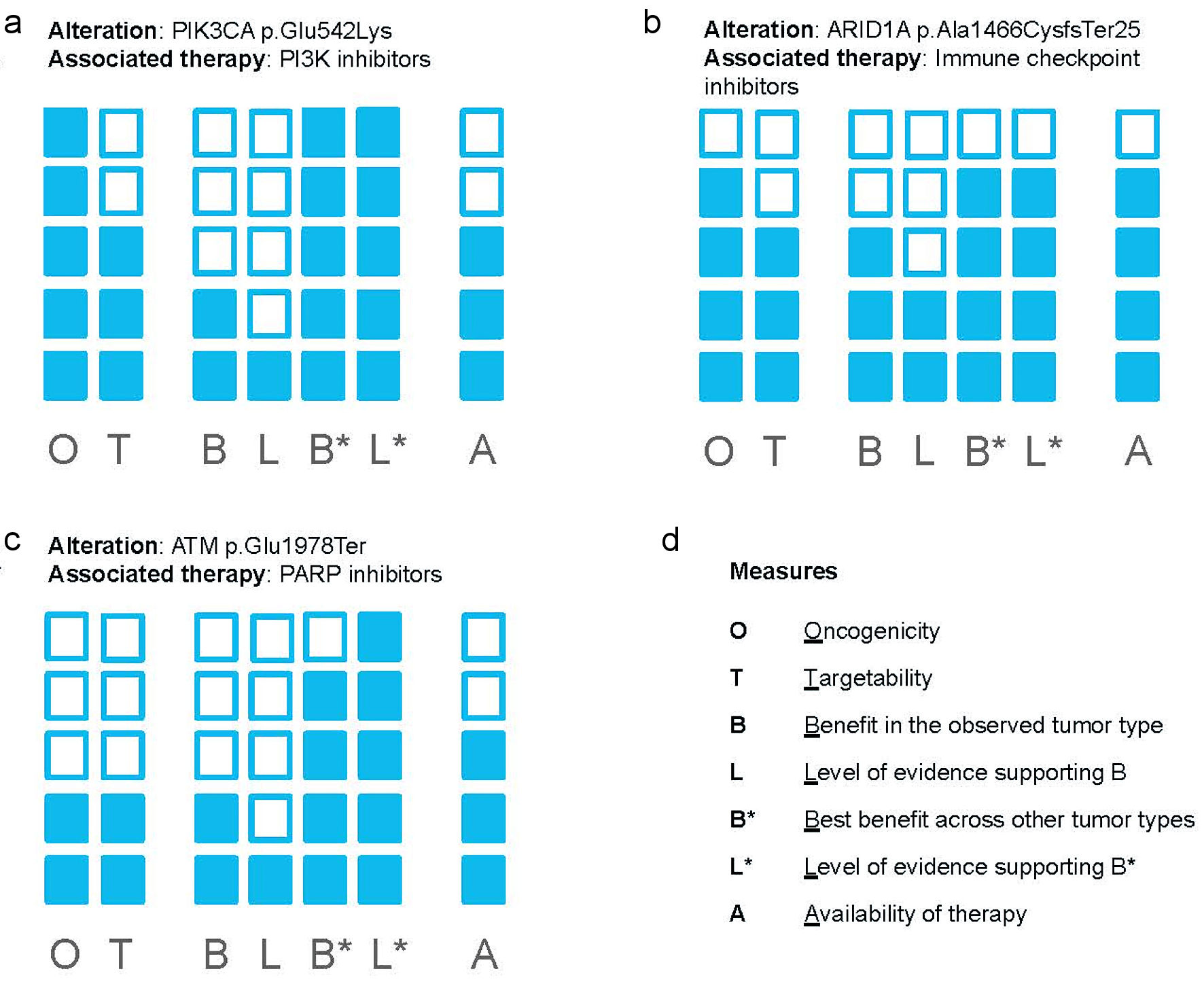
Gallbladder cancer (GBC) is a highly aggressive malignancy with limited therapeutic options and poor prognosis. It is characterized by multiple potentially targetable genomic alterations, highlighting the potential of a personalized therapeutic approach. However, data on the efficacy of this approach in GBC remain limited. PIK3CA and DNA damage repair gene alterations account for a major fraction of alterations frequently observed in GBC. The aim of this case report is to describe sequential molecularly informed therapy in a patient with recurrent GBC harboring ARID1A, PIK3CA, and ATM alterations. We report a 54-year-old woman with recurrent GBC that had progressed after prior systemic chemotherapy, who underwent comprehensive molecular profiling revealing alterations in ARID1A, PIK3CA, and ATM. Based on these findings, the patient received sequential molecularly informed therapies: pembrolizumab, followed by the phosphatidylinositol 3-kinase (PI3K) inhibitor alpelisib, and subsequently the poly(ADP-ribose) polymerase (PARP) inhibitor olaparib. Time to treatment failure was approximately 6, 14, and 3 months, respectively. The total duration of sequential targeted therapy was 24 months. The patient ultimately experienced disease progression and died shortly after discontinuation of olaparib, with an overall survival of 51 months from diagnosis. Although no objective responses were achieved, the patient experienced stable disease for 14 months during alpelisib treatment. Overall survival from diagnosis was 51 months; however, the contribution of molecularly informed therapy to this outcome cannot be determined from a single case. The prolonged stable disease observed during alpelisib treatment supports further investigation of PI3K inhibition in PIK3CA-mutated GBC.
Published
Issue
Section
License
Copyright (c) 2026 The authors

This work is licensed under a Creative Commons Attribution 4.0 International License.