Perioperative Care of a Six-Year-Old Child With Atlanto-Occipital Dislocation: A Focus on Techniques of Airway Management
DOI:
https://doi.org/10.14740/jmc5289Keywords:
Atlanto-occipital dislocation, Spinal cord injury, Trauma, Cervical spineAbstract
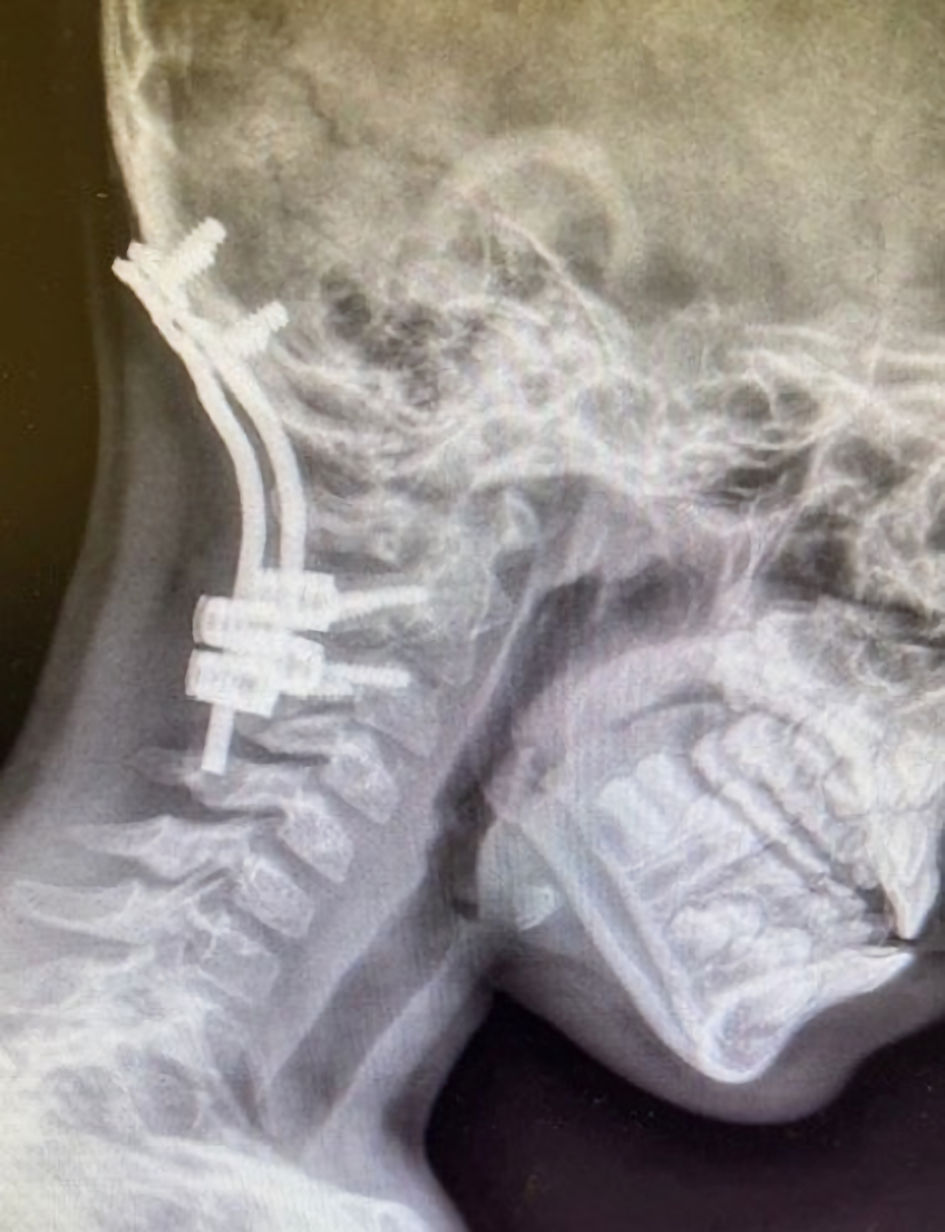
Atlanto-occipital dislocation (AOD), once regarded as a rare and almost universally fatal injury identified primarily at autopsy, is now recognized with increased frequency in surviving trauma patients. Improved diagnostic imaging, coupled with advances across the entire continuum of trauma care, has resulted in the potential survivability of this devastating injury. Despite the high mortality associated with this devastating injury, survival with successful outcome is feasible. Airway management in patients with AOD must balance minimizing cervical spine movement to prevent exacerbation of neurologic injury, continued resuscitation and maintenance of cerebral blood flow, while securing the airway to ensure effective oxygenation and ventilation. We present a 6-year-old female patient who sustained significant polytrauma, including AOD, and who, after cervical spine fusion and instrumentation, subsequently presented for elective surgical repair of an associated brachial plexus injury. The mechanisms underlying AOD are described, key anatomical considerations of the cervical spine are reviewed, and the perioperative management of patients with this complex injury is discussed with a focus on the various techniques used for airway management during various surgical and radiologic procedures.
Published
Issue
Section
License
Copyright (c) 2026 The authors

This work is licensed under a Creative Commons Attribution 4.0 International License.