Anesthetic Management of Cesarean Delivery in a Patient With Ellis–van Creveld Syndrome
DOI:
https://doi.org/10.14740/jmc5288Keywords:
Ellis–van Creveld syndrome, Cesarean section, Neuraxial anesthesia, Skeletal dysplasia, High-risk pregnancyAbstract
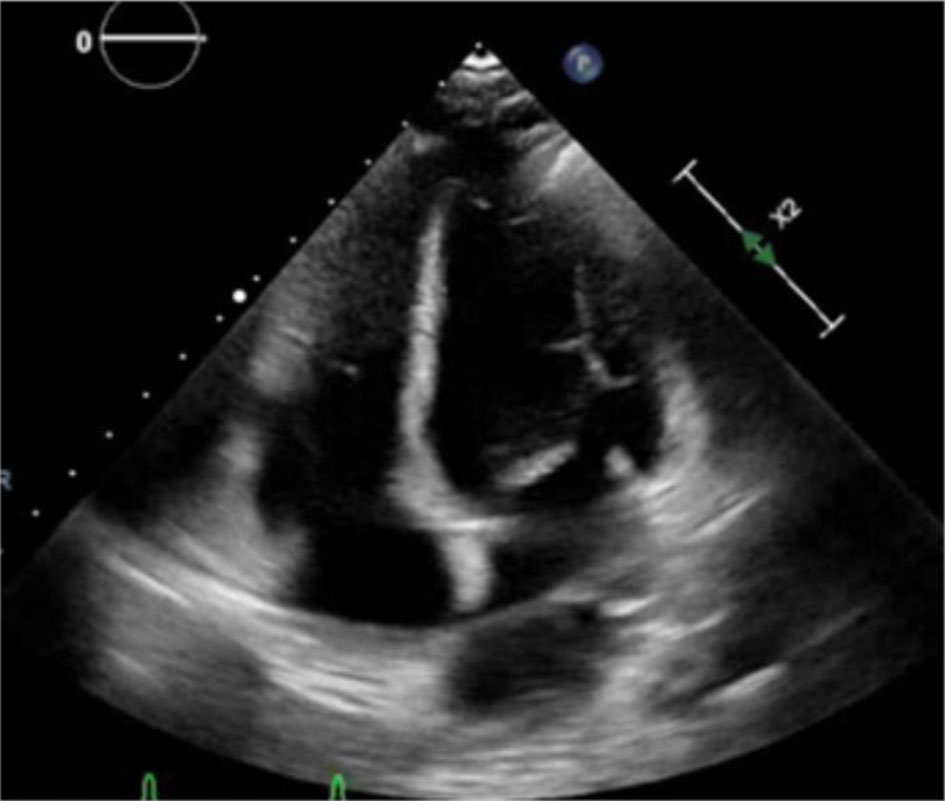
Ellis–van Creveld (EVC) syndrome is a rare autosomal recessive skeletal dysplasia characterized by disproportionate short stature, skeletal abnormalities, craniofacial and dental anomalies, and a high prevalence of congenital cardiovascular disease. Pregnancy in patients with EVC syndrome presents unique anesthetic challenges due to altered airway anatomy, abnormal spinal anatomy affecting neuraxial techniques, restrictive pulmonary physiology, potential cardiac dysfunction, and resultant hemodynamic complications. Evidence guiding anesthetic management for this population remains limited. We present the case of a 23-year-old pregnant patient with a heterozygous EVC2 gene variant, who presented for repeat cesarean section. After comprehensive pre-anesthetic evaluation, neuraxial anesthesia with spinal blockade was selected to avoid airway manipulation and minimize hemodynamic stress. Adequate surgical anesthesia was achieved with hyperbaric bupivacaine, and the patient remained hemodynamically stable throughout the intraoperative and postoperative periods without complications. This case highlights the importance of individualized anesthetic planning in patients with rare skeletal dysplasia undergoing cesarean section. Careful assessment of airway, spine, and cardiac function allows safe use of neuraxial anesthesia and may reduce perioperative morbidity to ensure best operative outcomes.
Published
Issue
Section
License
Copyright (c) 2026 The authors

This work is licensed under a Creative Commons Attribution 4.0 International License.