

Twenty-Three Years of Survival Observed in a Diabetic Woman Receiving Extended-Hours Hemodialysis (18–25 Hours per Week) With a Liberalized Diet
DOI:
https://doi.org/10.14740/jmc5424Keywords:
Diabetes undergoing hemodialysis, Extended-hours hemodialysis with a liberalized diet, BMI, Muscle massAbstract
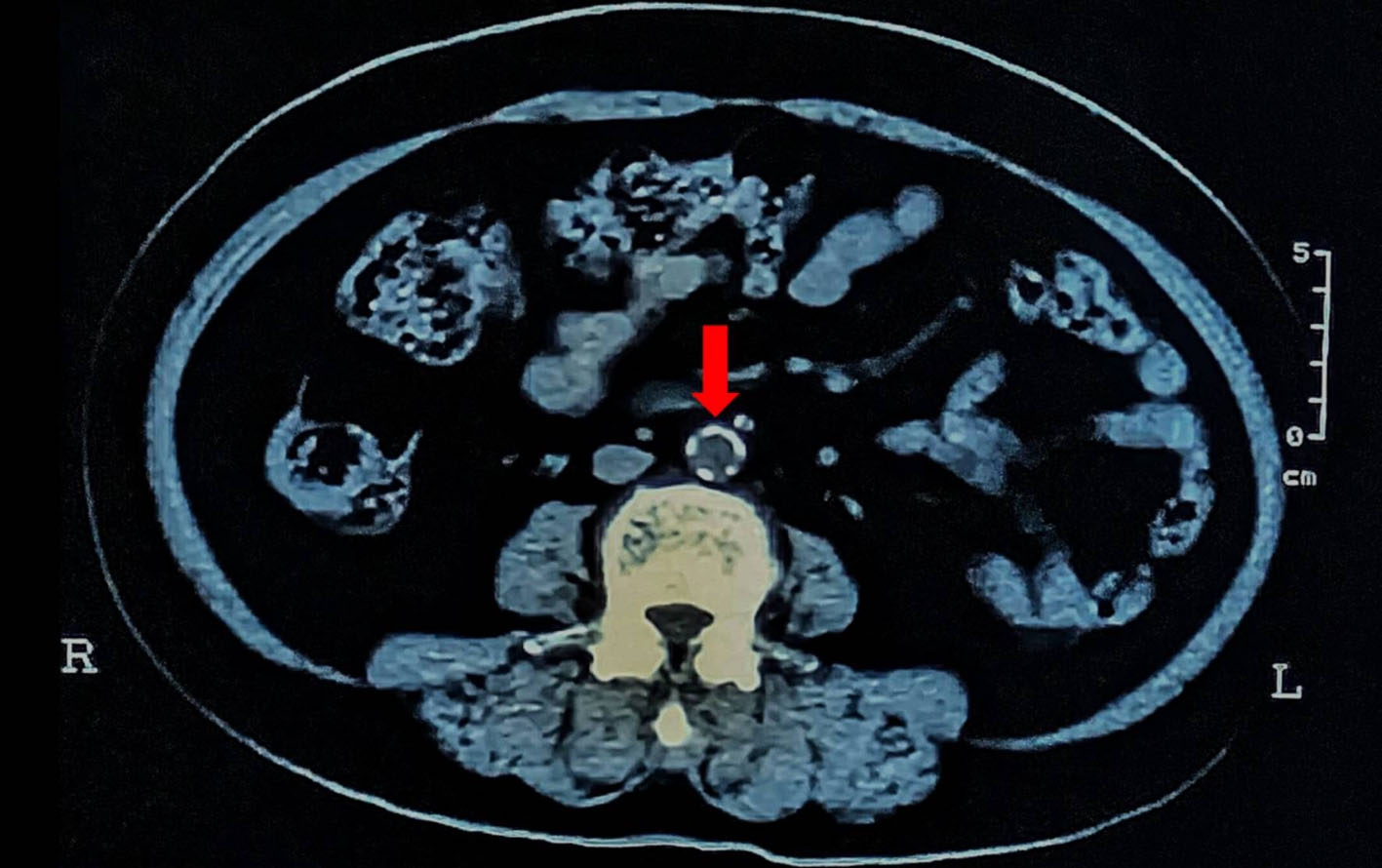
Patients with diabetes undergoing hemodialysis are known to develop numerous complications and have significantly higher mortality risk compared with patients without diabetes. Improving glycemic control is expected to improve the prognosis of patients with diabetes undergoing hemodialysis. However, dietary restrictions imposed for dialysis management and blood glucose control cause malnutrition, leading to an increased risk of protein-energy wasting (PEW), which complicates blood glucose control. Conventional hemodialysis is performed three times a week for 4 h. In contrast, our clinic provides extended-hours hemodialysis with a liberalized diet, 3–4 times a week for 6–8 h, to control hypertension and prevent malnutrition. This report describes a patient who initiated renal replacement therapy (RRT) for diabetic nephropathy and, despite multiple complications after transferring to our clinic, maintained extended-hours hemodialysis with a liberalized diet for 23 years. In this case, monotherapy with α-glucosidase inhibitors maintained glycemic control, with an average glycated albumin level of 18.0±1.7%. After the patient transferred to our clinic, her body mass index (BMI) and muscle mass increased. However, severe vascular calcification was already present shortly after transfer, resulting in two severe diabetic vascular complications caused by vascular calcification: ischemic heart disease and below-knee amputation. BMI temporarily decreased at the time of each event, but subsequently trended upward again. Left ventricular ejection fraction remained within the normal range at 62–72%, and the patient maintained independence in daily life after below-knee amputation, albeit with wheelchair use. The changes in muscle mass and prognosis in this case likely reflect multiple factors, including adequate dialysis dosage and high health literacy, during extended-hours hemodialysis with a liberalized diet. These observations offer insights into diabetic patients on hemodialysis but do not establish causality.
Published
Issue
Section
License
Copyright (c) 2026 The authors

This work is licensed under a Creative Commons Attribution 4.0 International License.