

Tardive Oropharyngeal Dyskinesia Associated With Antipsychotic Use in the Management of Behavioral and Psychological Symptoms of Dementia
DOI:
https://doi.org/10.14740/jmc5277Keywords:
Dementia, Antipsychotics, Psychiatry, Tardive dyskinesia, Extrapyramidal symptomsAbstract
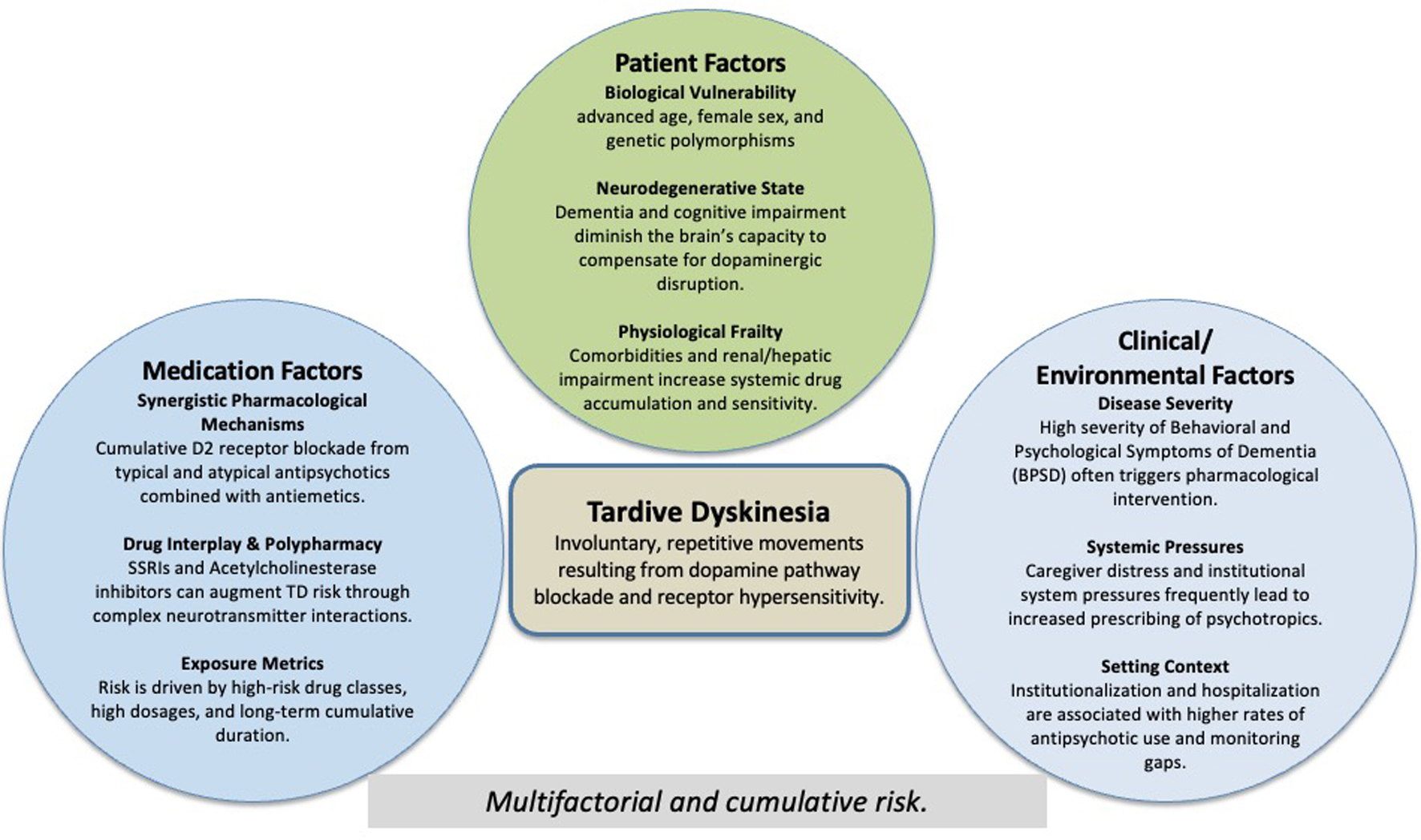
Behavioral and psychological symptoms of dementia (BPSD) are prevalent in up to 90% of people with dementia. Management of BPSD often includes non-pharmacological approaches, supplemented by psychotropic medications when necessary. However, these medications can lead to adverse reactions, including extrapyramidal symptoms (EPS). This report describes the case of an older adult presenting with BPSD secondary to vascular dementia. The management of the BPSD included various psychotropic and antipsychotic medications, which led to the development of orofacial dyskinesias. The development and recurrence of tardive dyskinesia in this patient were explored, considering the delayed effects of typical antipsychotics, the potentiating effects of atypical antipsychotics, and interactions with selective serotonin uptake inhibitors and acetylcholinesterase inhibitors. The case highlights the complexities of managing BPSD in dementia and the risk of EPS. It emphasizes the importance of early recognition and the value of teleconsultation for close monitoring and medication review, thereby improving patient well-being and treatment adherence. An evidence-informed approach, combined with regular medication review and early identification of adverse effects, is essential to optimize therapeutic outcomes and mitigate long-term morbidity associated with the pharmacological management of BPSD.
Published
Issue
Section
License
Copyright (c) 2026 The authors

This work is licensed under a Creative Commons Attribution 4.0 International License.