

Microscopic Polyangiitis With Pituitary Dysfunction and Spontaneous Renal Aneurysm Rupture
DOI:
https://doi.org/10.14740/jmc5282Keywords:
Antineutrophil cytoplasmic antibody, Microscopic polyangiitis, Pituitary dysfunction, Rupture of renal aneurysm, Immunosuppressive therapyAbstract
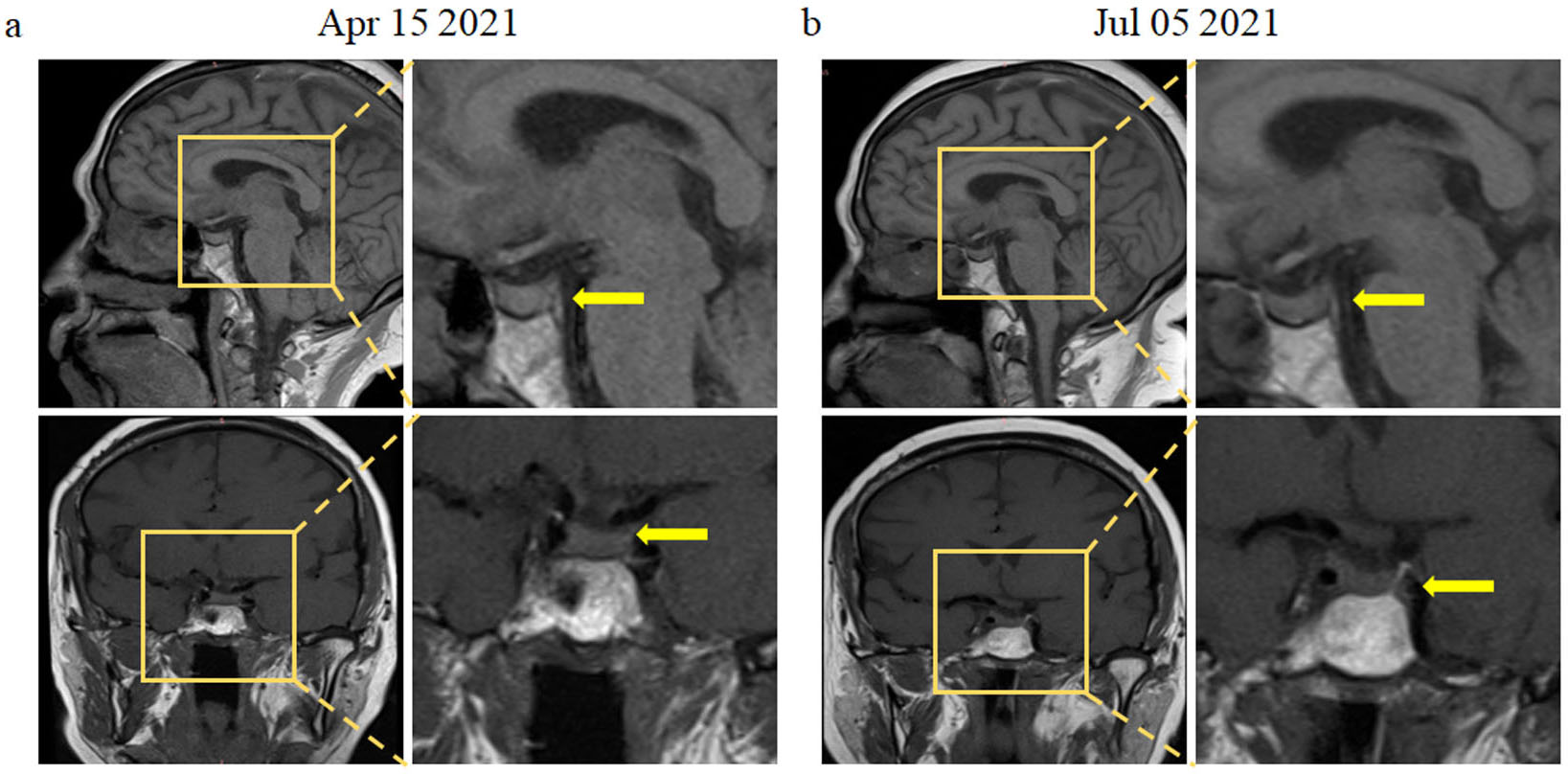
Antineutrophil cytoplasmic autoantibody (ANCA)-associated vasculitis (AAV) is a relatively uncommon autoimmune disease, predominantly causing kidney or lung injury. Pituitary dysfunction is exceedingly rare in microscopic polyangiitis (MPA). Rupture or hemorrhage of renal artery aneurysms is also scarcely reported in AAV, especially in MPA. In this study, we describe a 68-year-old woman who presented with shortness of breath at rest, polydipsia, and polyuria. In addition to an increased p-ANCA titer (1:10) and the presence of anti-myeloperoxidase antibodies, T1-weighted magnetic resonance imaging of the head revealed pituitary injury. A diagnosis of MPA accompanied by pulmonary intestinal disease, central diabetes insipidus, and hypophysitis was confirmed. The patient responded to intravenous methylprednisolone and immunoglobulin. However, 1 week after admission, she complained of a sudden onset of sharp pain in her right waist area, accompanied by weakness, nausea, syncope, and hypotension. The hemoglobin level decreased from 95 to 47 g/L and abdominal computed tomography revealed a large perirenal hematoma surrounding the right kidney. The patient was immediately administered methylprednisolone pulse therapy (500 mg/day for 3 days) and cyclophosphamide (CTX; 0.6 g), followed by fluid resuscitation, blood transfusion, hemostatic therapy, and infusion of fresh frozen plasma. Arterial angiography demonstrated active bleeding of the interlobular artery of the right kidney, and selective arterial embolization was performed. Fortunately, she responded well to glucocorticoid and CTX therapy and did not relapse during the 5-year follow-up. Pituitary involvement accompanied by spontaneous rupture of a renal aneurysm is an extremely rare complication of MPA and has not been reported before.
Published
Issue
Section
License
Copyright (c) 2026 The authors

This work is licensed under a Creative Commons Attribution 4.0 International License.