| Initial ER presentation | Ketamine (2 mg/kg) and rocuronium (1 mg/kg) were administered. The cervical collar was removed, and manual in-line cervical stabilization was maintained to facilitate VL (C-MAC, Macintosh blade size 3). Cormack–Lehane grade 1 view was noted, and a 5.0-mm cuffed ETT with stylet was placed on the first attempt. |
| OR for ventriculostomy and then MR | Patient arrived in the OR with the previously placed ETT still in place and tolerated the procedure without intraoperative adverse effects. |
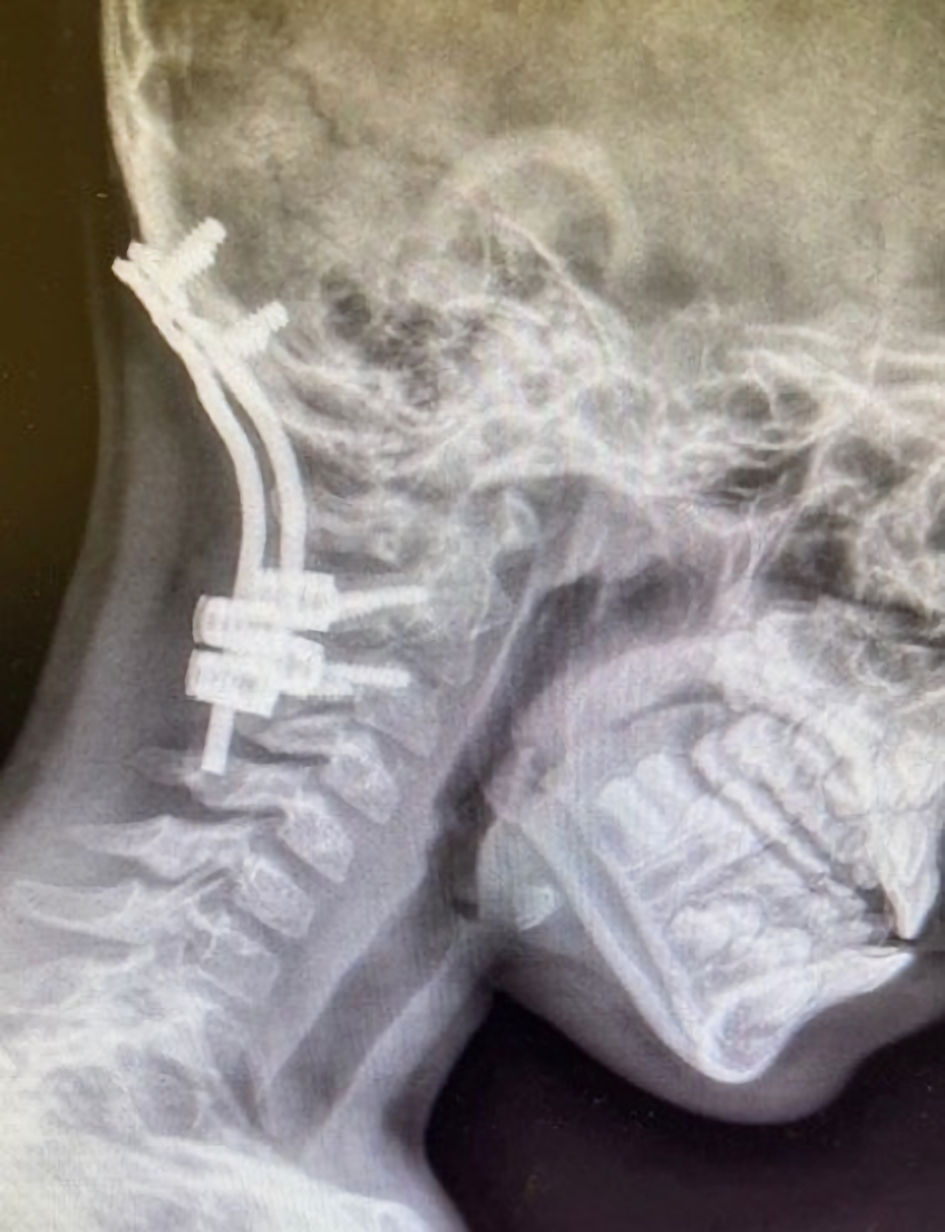
| Hospital day 2–3 for posterior cervical fusion | Returned with ETT in place from the initial placement in the emergency department. General anesthesia was administered, and the patient remained hemodynamically stable throughout the procedure. A halo cranial fixation device and vest were placed intraoperatively, and she was transported back to the PICU. |
| Hospital day 12 | Trachea successfully extubated in the PICU. |
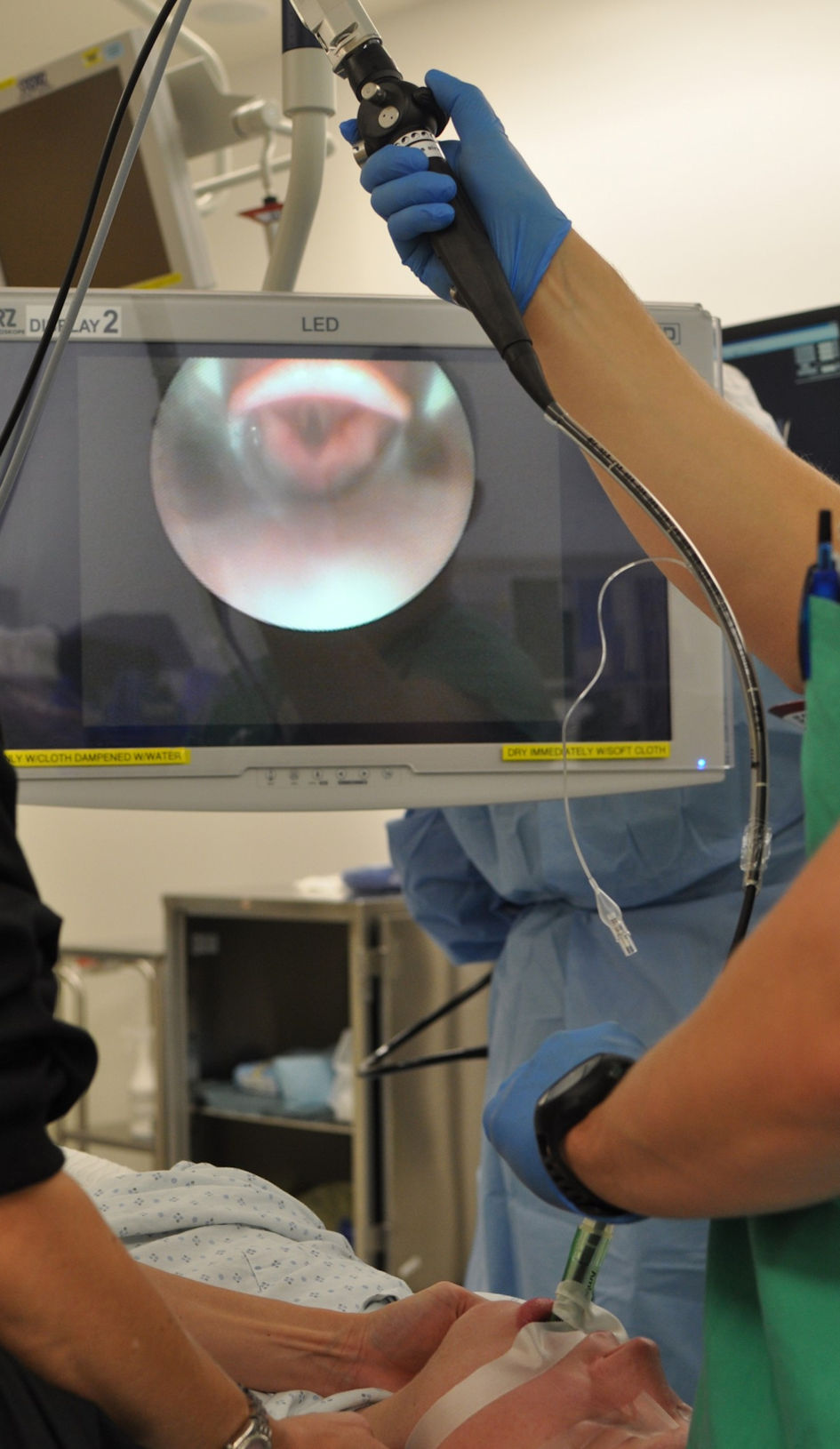
| Hospital day 14–15 | Returned to the OR for examination under anesthesia and laparoscopic colostomy due to progressive breakdown of her perineal wound. Anesthesia was induced with propofol (3 mg/kg) and neuromuscular blockade provided by rocuronium (1 mg/kg). Airway management was challenging with halo immobilization and limited jaw mobility. Bag-valve-mask ventilation improved with placement of an oral airway. Orotracheal intubation was achieved on the second attempt using a two-provider combined technique of VL and flexible fiberoptic bronchoscopic-guided endotracheal intubation, and cricoid pressure, which yielded a Cormack–Lehane grade IIb view. A 5.0-mm cuffed ETT, threaded over the bronchoscope, was advanced under direct visualization with VL. The patient’s trachea was extubated in the OR before transferring to the PICU. |
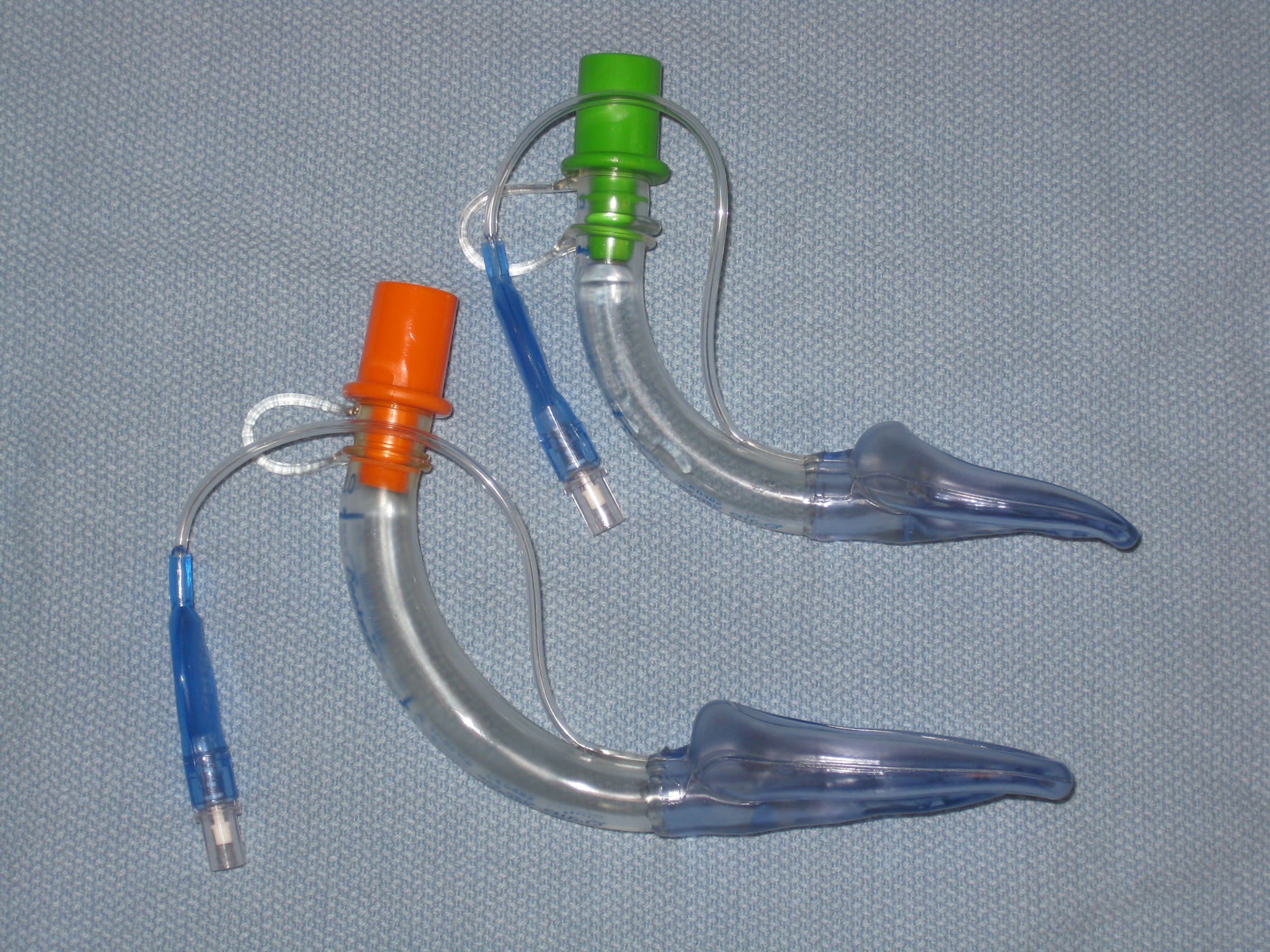
| Four subsequent procedures after discharge from the hospital: procedure 1 (examination under anesthesia of perineum) | Halo device in place, and airway management was uncomplicated and achieved using an air-Q intubating laryngeal mask (LMA) size 2.5. |
| Procedure 2: reconstruction of the perineum | An initial attempt with VL was unsuccessful: a Cormack–Lehane grade IIb view and esophageal intubation. Second attempt triggered laryngospasm, which was treated with succinylcholine. Successful intubation was achieved using a combined technique with air-Q LMA and flexible fiberoptic bronchoscopy. The air-Q LMA was used as a conduit to allow successful advancement of a 5.0-mm cuffed ETT, which was threaded over the bronchoscope, and passed into the trachea. |
| Procedure 3: anorectal exam and colostomy closure | Halo immobilization had been discontinued a month earlier. Initial airway assessment with direct laryngoscopy revealed redundant oropharyngeal tissue and inability to extend the neck. Ramped fashion, head held by one provider above the bed with minimal flexion while cricoid pressure was applied. Orotracheal intubation was then attempted using VL, Cormack–Lehane grade IIb view and placement of a 5.0-mm cuffed ETT on the first attempt. |
| Procedure 4: brachial plexus exploration and reconstruction | Anesthesia was induced by the inhalation of sevoflurane in oxygen. A peripheral IV cannula was placed after achieving adequate depth of anesthesia, followed by an IV bolus of propofol (4 mg/kg) and fentanyl (2.5 µg/kg). Bag-mask ventilation was confirmed to be easy, and the patient’s trachea was intubated using VL (Glidescope, LowPro blade size 2.5), assisted by a bougie. |