Ticagrelor Resistance Causing Acute In-Stent Thrombosis: Successful Management With Prasugrel and Balloon Angioplasty
DOI:
https://doi.org/10.14740/jmc5252Keywords:
Percutaneous coronary intervention, In-stent thrombosis, Ticagrelor, Prasugrel, VerifyNow, Antiplatelet resistanceAbstract
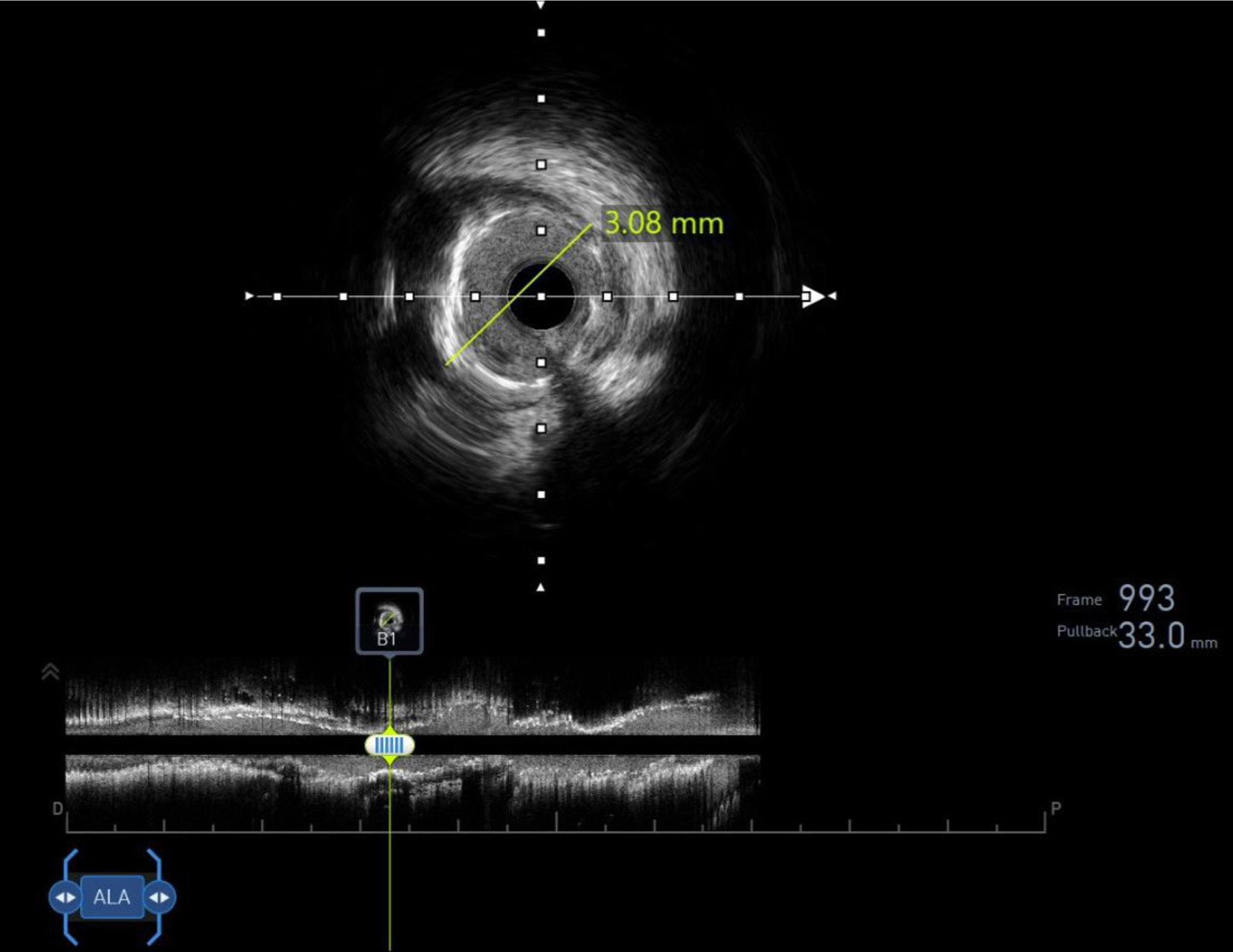
Ticagrelor is a cornerstone of dual antiplatelet therapy (DAPT) post-percutaneous coronary intervention (PCI), but resistance is rarely reported and poorly understood. We present a case of a 51-year-old woman with type 2 diabetes and a family history of coronary artery disease. Patient underwent elective PCI for severe proximal left anterior descending (LAD) and right coronary artery (RCA) stenoses, receiving aspirin and ticagrelor. Post-procedure, she developed syncope, hypotension, and ST-elevation on electrocardiogram (EKG), with repeat angiography revealing acute in-stent thrombosis in the proximal LAD. VerifyNow assay revealed ticagrelor resistance (307 PRU, repeat 293 PRU; cutoff < 208 PRU). Management included balloon angioplasty and transition to prasugrel (60 mg load, 10 mg daily). Angioplasty restored patency with no further events. Follow-up VerifyNow showed adequate inhibition (180 PRU) at 1 month, and the patient remained asymptomatic. Ticagrelor resistance can cause severe complications like in-stent thrombosis; VerifyNow-guided switch to prasugrel may prevent adverse outcomes, underscoring the need for tailored antiplatelet therapy. She underwent successful balloon angioplasty and was transitioned to prasugrel with no further events.
Published
Issue
Section
License
Copyright (c) 2026 The authors

This work is licensed under a Creative Commons Attribution 4.0 International License.