| Journal of Medical Cases, ISSN 1923-4155 print, 1923-4163 online, Open Access |
| Article copyright, the authors; Journal compilation copyright, J Med Cases and Elmer Press Inc |
| Journal website https://jmc.elmerpub.com |
Case Report
Volume 17, Number 12, December 2026, pages 707-711

The Vitamin B12–C-Reactive Protein Index in Advanced Cancer: A Case Report and Narrative Review of an Underutilized Potential Prognostic Biomarker
Abrar-Ahmad Zulfiqara, c, Emmanuel Andresb
aGeriatric Unit, Fecamp Hospital, 76400 Fecamp, France
bInternal Medicine Unit, University Medicine of Strasbourg, 67000 Strasbourg, France
cCorresponding Author: Abrar-Ahmad Zulfiqar, Geriatric Unit, Fecamp Hospital, 76400 Fecamp, France
Manuscript submitted August 10, 2026, accepted September 26, 2026, published online November 9, 2026
Short title: Vitamin B12–CRP Biomarker Pair
doi: https://doi.org/10.14740/jmc5414
| Abstract | ▴Top |
Identifying simple, accessible, and reproducible biomarkers that can improve the prognostic assessment of patients with advanced cancer is a major challenge in palliative medicine. The association between vitamin B12 hypervitaminemia and an inflammatory syndrome, as evidenced by elevated C-reactive protein (CRP) levels, could serve as a complementary prognostic biomarker in patients with advanced cancer. Clinical, imaging, and laboratory findings from the reported patient were reviewed. The B12–CRP index (BCI) was calculated as serum vitamin B12 in pmol/L multiplied by CRP in mg/L. Published evidence on elevated vitamin B12, inflammation, and prognostic assessment in advanced cancer was discussed narratively. We report the case of a 64-year-old man with poorly differentiated cholangiocarcinoma diagnosed 5 months prior, treated with gemcitabine-cisplatin in combination with durvalumab. Despite this treatment, a follow-up computed tomography scan revealed major tumor progression with hepatic metastases, portal vein invasion, the development of peritoneal carcinomatosis, and pulmonary nodules. The clinical examination revealed a significant deterioration in the patient’s general condition, with a Palliative Performance Scale version 2 (PPSv2) score of 50%. Laboratory results showed hypervitaminemia B12 at 1,126 pmol/L, CRP at 16.8 mg/L, hypoalbuminemia at 30 g/L, significant cholestasis, moderate cytolysis, and hypercalcemia. The BCI was 18,917. Palliative care was required. The BCI could serve as a potential complementary prognostic biomarker to enhance the prognostic assessment of patients with advanced cancer. Prospective studies are nevertheless needed to clarify its role in decision-making strategies in palliative medicine.
Keywords: Vitamin B12; CRP; BCI; Palliative care; Cholangiocarcinoma
| Introduction | ▴Top |
Continuous improvements in cancer treatments have profoundly changed the management of patients with advanced cancer. However, determining when specific treatments become disproportionate remains a daily challenge for oncology and palliative care teams. Decisions to limit or discontinue treatment are based primarily on clinical progression, functional status, and imaging data; however, these parameters are sometimes insufficient to accurately assess an individual’s prognosis.
For several years now, the value of biological biomarkers reflecting the intensity of systemic inflammation has been widely demonstrated. C-reactive protein (CRP) [1], serum albumin levels, the Glasgow Prognostic Score [2], and the neutrophil-to-lymphocyte ratio [3] are now incorporated into several prognostic models. More recently, particular attention has been focused on vitamin B12 hypervitaminemia, long considered a mere biological epiphenomenon but now recognized as a potential marker of disease severity in liver diseases, hematologic disorders, and numerous solid cancers [4, 5], as well as being linked to other conditions such as certain autoimmune diseases, alcohol-related liver disease, and nephropathies/kidney diseases [6]. Arendt et al, in a retrospective cohort study based on Danish national medical population registries (1998–2014), showed that cancer patients with elevated cobalamin levels had higher mortality rates than those with normal cobalamin levels [7]. Elevated levels of circulating vitamin B12 generally do not reflect excessive intake but result from increased carrier proteins (primarily haptocorrin), hepatic cytolysis, decreased hepatic clearance, and significant inflammatory activation [8]. In patients with metastatic cancer, several studies have shown that the combination of vitamin B12 hypervitaminemia and elevated CRP is associated with significantly higher mortality than either of these markers considered in isolation [9].
We report the case of a patient with rapidly progressing metastatic cholangiocarcinoma, illustrating the potential value of the B12–CRP biological pair as a complementary biomarker to aid decision making in palliative care. Clinical findings, imaging reports, and laboratory results obtained during the patient’s assessment were reviewed for this case report. The B12–CRP index (BCI) was calculated by multiplying serum vitamin B12 expressed in pmol/L by CRP expressed in mg/L. Thus, 1,126 pmol/L × 16.8 mg/L yielded a BCI of 18,917.8, rounded to 18,917. The accompanying literature review is narrative and addresses the interpretation of elevated vitamin B12, CRP, and their combined prognostic use in advanced cancer.
| Case Report | ▴Top |
A 64-year-old man was referred for clinical reevaluation following a diagnosis of poorly differentiated cholangiocarcinoma in February 2026. The diagnosis led to the initiation of first-line treatment with gemcitabine and cisplatin in combination with durvalumab, in accordance with current guidelines. His medical history included hypertension, type 2 diabetes treated without insulin, hypothyroidism on hormone replacement therapy, atrial fibrillation managed with apixaban, obstructive sleep apnea syndrome without a continuous positive airway pressure (CPAP) device, a history of alcoholism from which he had been abstinent since 2019, chronic active smoking, and dilatation of the ascending aorta with moderate aortic insufficiency. At the time of evaluation, the patient presented with a marked deterioration in his general condition, including severe asthenia, reduced independence, and a moderately distended, tympanic abdomen associated with early-stage ascites. His weight was 70 kg. The Performance Palliative Scale version 2 (PPSv2) was scored at 50%, indicating significant functional impairment consistent with an advanced palliative care stage.
The follow-up thoraco-abdominal-pelvic computed tomography (CT) scan performed after treatment revealed major disease progression with enlargement of the primary tumor, multiple hepatic lesions with a necrotic component, tumor invasion of the portal trunk and the left and middle hepatic veins, the development of peritoneal carcinomatosis with minimal ascites, as well as several solid pulmonary nodules suggestive of metastatic spread.
Laboratory findings revealed several abnormalities suggestive of advanced cancer, including an inflammatory syndrome, cholestasis, early-stage liver failure, malnutrition, and hematological abnormalities, as shown in Table 1.
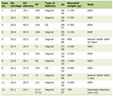 Click to view | Table 1. Summary of Key Clinical and Laboratory Data |
Serum vitamin B12 was 1,126 pmol/L, and CRP was 16.8 mg/L; the calculated BCI was 18,917. Albumin was 30 g/L. Imaging showed progression of the primary tumor, hepatic lesions, vascular invasion, peritoneal carcinomatosis, and pulmonary nodules. The PPSv2 score was 50%. Following multidisciplinary assessment, the care plan was revised to include palliative care.
| Discussion | ▴Top |
Determining the prognosis in advanced oncology remains a daily challenge. Although functional scores such as the ECOG performance status [10], the Karnofsky performance status [11], or the PPS [12] are the primary assessment tools, their essentially clinical nature leaves them subject to some inter-observer variability. This limitation explains the growing interest in biological biomarkers that may improve the objectivity of prognostic assessment. Table 2 presents the main prognostic tools used in oncology and palliative care, highlighting their characteristics, advantages, and limitations [13–17].
Click to view | Table 2. Comparison of the Main Prognostic Scores |
Liver disease is a recognized cause of elevated serum vitamin B12. Hepatocellular injury may release stored cobalamin into the circulation, while changes in B12-binding proteins may also increase measured serum concentrations [6, 18]. In patients with hepatobiliary cancer, these mechanisms may occur alongside cholestasis and extensive tumor involvement [7]. Our patient had marked cholestasis, with a gamma-glutamyl transferase level of 612 U/L and an alkaline phosphatase level of 342 U/L, as well as predominantly aspartate aminotransferase elevation and hyperbilirubinemia. Together with diffuse liver metastases and hypoalbuminemia, these findings provide a plausible clinical context for his elevated vitamin B12 level. The contribution of each mechanism cannot, however, be determined from this case.
Elevated vitamin B12 has been associated with increased mortality in hospitalized older adults, as reported by Salles et al [19] and Tal et al [20]. Its prognostic relevance has also been investigated in advanced cancer. In a prospective study of patients with cancer receiving palliative care, Geissbuhler et al found that vitamin B12 provided prognostic information independent of CRP [9]. The two measurements may therefore capture partly different aspects of a patient’s condition: serum B12 can be influenced by liver disease and changes in binding proteins, whereas CRP reflects systemic inflammation. Neither marker is specific to tumor progression, and both require interpretation in the clinical context.
The BCI combines these measurements into a single value. In a study of 329 patients with advanced cancer, Kelly et al reported median survival of 71 days for a BCI ≤ 10,000, 43 days for a BCI of 10,001–40,000, and 29 days for a BCI > 40,000 [21]. More recently, Couderc et al studied older patients with cancer and found that the BCI was associated with early mortality and unplanned hospitalization [17]. These findings support further investigation of the index across different oncology settings, while the thresholds reported in one population should not be assumed to predict survival accurately for an individual patient.
In our patient, the BCI was 18,917, placing him in the intermediate group described by Kelly et al [21]. This classification alone would not convey the full severity of his condition. Imaging showed rapid progression of metastatic cholangiocarcinoma despite first-line treatment with gemcitabine, cisplatin, and durvalumab, with portal vein invasion, peritoneal carcinomatosis, ascites, and diffuse liver involvement. His PPS score had fallen to 50%, and laboratory findings included hypoalbuminemia, hypercalcemia, cholestasis, and elevated CRP. Taken together, the clinical, radiological, and laboratory findings indicated an unfavorable prognosis.
In this setting, the BCI offered a concise description of two concurrent biological abnormalities. It was consistent with the broader assessment of disease progression and systemic inflammation, but it did not independently establish prognosis or determine whether anticancer treatment should continue. Such decisions require consideration of functional status, disease trajectory, remaining treatment options, expected benefits and burdens, and the patient’s goals. Early involvement of palliative care is appropriate alongside this assessment and does not, by itself, preclude further anticancer treatment.
Other readily available inflammatory markers, including CRP, albumin, the modified Glasgow Prognostic Score, and the CRP-to-albumin ratio, have been evaluated for prognostic assessment in advanced cancer [16]. Whether the BCI adds useful information beyond these measures and established clinical prognostic tools remains uncertain. Prospective multicenter studies should assess its reproducibility, evaluate its incremental prognostic value, and determine whether any threshold is reliable across different cancer populations. Studies of biomarker-guided decisions would then be needed before claiming that use of the BCI improves patient care.
Limitations
This report describes a single patient and cannot establish that the BCI improved prognostic accuracy or changed management. Elevated vitamin B12 and CRP have multiple causes; hepatic disease, renal dysfunction, hematologic conditions, and inflammation may affect their interpretation. The index also depends on the units used for vitamin B12, which limits comparisons when units are not stated. Its incremental value over established clinical assessments and prognostic scores remains uncertain. Prospective studies are needed to validate its performance and determine whether it provides useful information beyond clinical assessment. Randomized trials would be required before claiming that treatment decisions guided by the BCI improve patient outcomes. No BCI threshold should be used alone to start, withhold, or discontinue anticancer treatment.
Conclusion
This case illustrates the potential of vitamin B12 and CRP as readily available markers to consider alongside clinical findings in advanced cancer. In a patient with rapidly progressing metastatic cholangiocarcinoma, elevated vitamin B12 and CRP occurred with marked functional decline, hypoalbuminemia, and extensive liver involvement. Together, these findings were consistent with an unfavorable prognosis. The BCI summarized two concurrent laboratory abnormalities; it did not independently establish prognosis or guide treatment in this case. Prospective studies across different advanced cancer populations are needed to determine whether the index adds prognostic value before it can be considered for routine use.
Learning points
The association between vitamin B12 hypervitaminemia and elevated CRP reflects the interaction between systemic inflammation, liver damage, and tumor progression.
The BCI may complement clinical prognostic scores (PPS, Palliative Prognostic Index, Palliative Prognostic Score) to assess the prognosis of patients in palliative care.
Early palliative care can be provided alongside active anticancer treatment; decisions about anticancer therapy require an individualized assessment of clinical status, treatment options, and patient goals.
Acknowledgments
None to declare.
Financial Disclosure
None to declare.
Conflict of Interest
None to declare.
Informed Consent
Written informed consent was obtained from the patient for the publication of this case report and the accompanying clinical and biological data.
Author Contributions
AAZ and EA contributed to the conception of the work, data collection, clinical analysis, drafting of the manuscript, and final approval of the version to be published.
Data Availability
All relevant data supporting the findings of this case report are included within the article.
AI Use Declaration
Generative AI was used to assist with language editing and manuscript revision. The authors verified the scientific content and take full responsibility for the final manuscript.
| References | ▴Top |
- Roxburgh CS, McMillan DC. Role of systemic inflammatory response in predicting survival in patients with primary operable cancer. Future Oncol. 2010;6(1):149-163.
doi pubmed - Nozoe T, Matono R, Ijichi H, Ohga T, Ezaki T. Glasgow Prognostic Score (GPS) can be a useful indicator to determine prognosis of patients with colorectal carcinoma. Int Surg. 2014;99(5):512-517.
doi pubmed - Li GP, Zhang D, Li MH, Yuan FF, Hou XJ, He DJ, Wei XD, et al. Association between the neutrophil-to-lymphocyte ratio and cancer in adults from NHANES 2005-2018: a cross-sectional study. Sci Rep. 2024;14(1):23678.
doi pubmed - Andres E, Serraj K, Zhu J, Vermorken AJ. The pathophysiology of elevated vitamin B12 in clinical practice. QJM. 2013;106(6):505-515.
doi pubmed - Zulfiqar AA, Sebaux A, Drame M, Pennaforte JL, Novella JL, Andres E. Hypervitaminemia B12 in elderly patients: Frequency and nature of the associated or linked conditions. Preliminary results of a study in 190 patients. Eur J Intern Med. 2015;26(10):e63-64.
doi pubmed - Arendt JF, Nexo E. Unexpected high plasma cobalamin: proposal for a diagnostic strategy. Clin Chem Lab Med. 2013;51(3):489-496.
doi pubmed - Arendt JF, Farkas DK, Pedersen L, Nexo E, Sorensen HT. Elevated plasma vitamin B12 levels and cancer prognosis: a population-based cohort study. Cancer Epidemiol. 2016;40:158-165.
doi pubmed - Ermens AA, Vlasveld LT, Lindemans J. Significance of elevated cobalamin (vitamin B12) levels in blood. Clin Biochem. 2003;36(8):585-590.
doi pubmed - Geissbuhler P, Mermillod B, Rapin CH. Elevated serum vitamin B12 levels associated with CRP as a predictive factor of mortality in palliative care cancer patients: a prospective study over five years. J Pain Symptom Manage. 2000;20(2):93-103.
doi pubmed - Azam F, Latif MF, Farooq A, Tirmazy SH, AlShahrani S, Bashir S, Bukhari N. Performance Status Assessment by Using ECOG (Eastern Cooperative Oncology Group) Score for cancer patients by oncology healthcare professionals. Case Rep Oncol. 2019;12(3):728-736.
doi pubmed - Mor V, Laliberte L, Morris JN, Wiemann M. The Karnofsky Performance Status Scale. An examination of its reliability and validity in a research setting. Cancer. 1984;53(9):2002-2007.
doi pubmed - Anderson F, Downing GM, Hill J, Casorso L, Lerch N. Palliative performance scale (PPS): a new tool. J Palliat Care. 1996;12(1):5-11.
pubmed - Yoong SQ, Zhang H, Whitty D, Tam WWS, Wang W, Porock D. Prognostic utility of Palliative Prognostic Index in advanced cancer: a systematic review and meta-analysis. Palliat Support Care. 2025;23:e80.
doi pubmed - Facchinelli D, Manno P, Potenza L, Cartoni C, Greco C, Riva M, et al. P1674: Pap Score (palliative prognostic score) estimates short-term survival in a cohort of hematological patients. Hemasphere. 2023;7(Suppl):e3637129.
- Jomrich G, Hollenstein M, John M, Baierl A, Paireder M, Kristo I, Ilhan-Mutlu A, et al. The modified Glasgow prognostic score is an independent prognostic indicator in neoadjuvantly treated adenocarcinoma of the esophagogastric junction. Oncotarget. 2018;9(6):6968-6976.
doi pubmed - Silva GAD, Oliveira LC, Wiegert EVM, Calixto-Lima L, Cunha GDC, Peres WAF. Prognostic risk stratification using C-reactive protein, albumin, and associated inflammatory biomarkers in patients with advanced cancer in palliative care. Curr Probl Cancer. 2024;51:101115.
doi pubmed - Couderc AL, Puchades E, Villani P, Arcani R, Farnault L, Daumas A, Courcier A, et al. High serum vitamin B12 levels associated with C-reactive protein in older patients with cancer. Oncologist. 2020;25(12):e1980-e1989.
doi pubmed - Fedosov SN, Nexo E. Macro-B12 and unexpectedly high levels of plasma B12: a critical review. Nutrients. 2024;16(5):648.
doi pubmed - Salles N, Herrmann F, Sakbani K, Rapin CH, Sieber C. High vitamin B12 level: a strong predictor of mortality in elderly inpatients. J Am Geriatr Soc. 2005;53(5):917-918.
doi pubmed - Tal S, Shavit Y, Stern F, Malnick S. Association between vitamin B12 levels and mortality in hospitalized older adults. J Am Geriatr Soc. 2010;58(3):523-526.
doi pubmed - Kelly L, White S, Stone PC. The B12/CRP index as a simple prognostic indicator in patients with advanced cancer: a confirmatory study. Ann Oncol. 2007;18(8):1395-1399.
doi pubmed
This article is distributed under the terms of the Creative Commons Attribution 4.0 International License (CC BY 4.0), which permits unrestricted use, distribution, and reproduction in any medium, including commercial use, provided the original work is properly cited.
Journal of Medical Cases is published by Elmer Press Inc.