| Journal of Medical Cases, ISSN 1923-4155 print, 1923-4163 online, Open Access |
| Article copyright, the authors; Journal compilation copyright, J Med Cases and Elmer Press Inc |
| Journal website https://jmc.elmerpub.com |
Case Report
Volume 17, Number 12, December 2026, pages 691-697

Sequential Precision Therapy Strategy for ARID1A/PIK3CA/ATM-Altered Gallbladder Cancer: A Case Report of Prolonged Stable Disease
Maria Makarkinaa, Olesya Kuznetsovab, c, Polina Shiloa, Ekaterina Belovab, d, e, Alexandra Kavunb, d, Anastasia Belovab, Anastasiia Taraskinab, d, Vladislav Mileykob, d, Alexandra Lebedevab, d, f
aLahta Clinic, Saint Petersburg, Russia
bResearch and Development Department, OncoAtlas LLC, Moscow, Russia
cDepartment of Chemotherapy No. 2, N.N. Blokhin Russian Cancer Research Center, Moscow, Russia
dInstitute for Personalized Oncology, Laboratory of Applied Genomic Technologies, Sechenov First Moscow State Medical University, Moscow, Russia
eFaculty of Physics, Lomonosov Moscow State University, Moscow, Russia
fCorresponding Author: Alexandra Lebedeva, Research and Development Department, OncoAtlas LLC, Moscow 119049, Russia
Manuscript submitted June 9, 2026, accepted September 28, 2026, published online November 9, 2026
Short title: NGS-Guided Therapy for Gallbladder Cancer
doi: https://doi.org/10.14740/jmc5379
| Abstract | ▴Top |
Gallbladder cancer (GBC) is a highly aggressive malignancy with limited therapeutic options and poor prognosis. It is characterized by multiple potentially targetable genomic alterations, highlighting the potential of a personalized therapeutic approach. However, data on the efficacy of this approach in GBC remain limited. PIK3CA and DNA damage repair gene alterations account for a major fraction of alterations frequently observed in GBC. The aim of this case report is to describe sequential molecularly informed therapy in a patient with recurrent GBC harboring ARID1A, PIK3CA, and ATM alterations. We report a 54-year-old woman with recurrent GBC that had progressed after prior systemic chemotherapy, who underwent comprehensive molecular profiling revealing alterations in ARID1A, PIK3CA, and ATM. Based on these findings, the patient received sequential molecularly informed therapies: pembrolizumab, followed by the phosphatidylinositol 3-kinase (PI3K) inhibitor alpelisib, and subsequently the poly(ADP-ribose) polymerase (PARP) inhibitor olaparib. Time to treatment failure was approximately 6, 14, and 3 months, respectively. The total duration of sequential targeted therapy was 24 months. The patient ultimately experienced disease progression and died shortly after discontinuation of olaparib, with an overall survival of 51 months from diagnosis. Although no objective responses were achieved, the patient experienced stable disease for 14 months during alpelisib treatment. Overall survival from diagnosis was 51 months; however, the contribution of molecularly informed therapy to this outcome cannot be determined from a single case. The prolonged stable disease observed during alpelisib treatment supports further investigation of PI3K inhibition in PIK3CA-mutated GBC.
Keywords: Gallbladder cancer; Next-generation sequencing; PIK3CA; ARID1A; ATM; Targeted therapy; Precision oncology; Sequential targeted therapy
| Introduction | ▴Top |
Gallbladder cancer (GBC) is a highly aggressive cancer of the biliary tract. GBC is often diagnosed at an advanced stage and only 5–10% of patients survive for 5 years [1–3]. The most effective treatment for GBC over the years has been complete surgical resection. However, only about 10–20% of patients are eligible for surgery at the time of diagnosis [4]. Therefore, precision therapy is urgently needed to improve outcomes for patients with advanced disease. According to current guidelines, in addition to standard chemotherapy, some types of targeted therapy can be used to treat GBC. Except for HER2 (ERBB2) amplification, there are currently only US Food and Drug Administration (FDA)-approved pan-cancer biomarkers for GBC, such as high tumor mutational burden (TMB-H), high microsatellite instability or deficient mismatch repair (MSI-H/dMMR), RET and NTRK fusions, and BRAF p.V600E. However, up to 20% of GBC tumors carry at least one potentially targetable genomic alteration [5]. PIK3CA oncogenic mutations occur in 3–21% of GBC patients, whereas ARID1A and ATM deleterious mutations occur in up to 17% and 7.6% of patients with this tumor type, respectively [6–13]. PIK3CA mutations in GBC could potentially be targeted with phosphatidylinositol 3-kinase (PI3K) inhibitors. For instance, in PIK3CA-mutated breast cancer, the addition of a PI3K inhibitor alpelisib to hormonal therapy with fulvestrant is a standard of care [14]. Alpelisib has also been shown to be moderately effective in other types of cancer [15]. ATM and ARID1A loss-of-function mutations can potentially be targeted by poly(ADP-ribose) polymerase (PARP) inhibitors (PARPi) due to their involvement in DNA damage repair [16, 17]. Additionally, loss of ARID1A has also been associated with potential efficacy of immune checkpoint inhibitors (ICIs) and enhancer of zeste homolog 2 (EZH2) inhibitors [18, 19]. However, limited data exist on the efficacy of these molecularly informed treatment approaches in GBC. The clinical challenge arises when molecular profiling identifies several potentially actionable alterations in the same gallbladder tumor, while the evidence supporting the corresponding treatment options varies. This case illustrates such a challenge in a patient with recurrent GBC harboring ARID1A, PIK3CA, and ATM alterations who received pembrolizumab, alpelisib, and olaparib sequentially after chemotherapy. Of particular interest are the different outcomes observed across these treatments, including 14 months of stable disease (SD) during alpelisib therapy. We report the rationale for treatment selection, the clinical course, and the limitations of interpreting these observations in a single patient.
| Case Report | ▴Top |
A 54-year-old woman presented to the primary care physician with complaints of right upper quadrant abdominal pain, pale-colored stool, and dark yellow urine. An inflammatory process of the gallbladder was suspected, and laparoscopic cholecystectomy was performed in March 2019. Histology revealed gallbladder adenocarcinoma pT2N0. The patient underwent computed tomography (CT) in April 2019. Two lesions in S4b-5 and 4a of the liver were found and were resected. In October 2019, she was diagnosed with recurrent disease. Metastatic lesions on the abdominal wall were the main signs of recurrence. The patient then started first-line chemotherapy with gemcitabine and cisplatin in December 2019, and after four cycles, a partial response (PR) was achieved in April 2020. In June 2020, the patient underwent resection of metastatic lesions on the abdominal wall, and adjuvant therapy with capecitabine was started. The patient received five courses of capecitabine chemotherapy, which was stopped in January 2021. In January 2021, disease recurrence in the soft tissue of the abdominal wall was registered.
In April 2021, the patient underwent comprehensive molecular profiling (CMP) using a primary tumor specimen obtained in 2020. CMP was performed via Solo Complex (TM), including Solo ABC panel with a total of 411 genes analyzed (1.3 coding megabases). Additionally, immunohistochemical (IHC) screening for NTRK1–3 fusions and fluorescence in situ hybridization (FISH) analysis for RET translocations were performed. Testing revealed a low tumor mutational burden (TMB, 4.2 mutations/Mb), microsatellite stability (MSS) determined by polymerase chain reaction (PCR), and proficient mismatch repair (pMMR) confirmed by immunohistochemistry, with no signs of a homologous recombination deficiency (HRD) phenotype based on copy number variation (CNV) and allelic imbalance analysis. The following potentially targetable genomic alterations were also identified: potentially somatic ARID1A p.Ala1466CysfsTer25 and PIK3CA p.Glu542Lys variants, and a potentially germline ATM p.Glu1978Ter variant. The ATM p.Glu1978Ter variant was detected in tumor DNA and was considered potentially germline based on its variant allele frequency; however, confirmatory germline testing of non-tumor DNA and genetic counseling were not performed. Both ARID1A and ATM variants were hypothesized to be deleterious, while the PIK3CA variant was a known hotspot oncogenic mutation [20]. Therefore, several off-label therapeutic options were suggested, including a PARP inhibitor (olaparib) due to the ATM variant, a PI3K inhibitor (alpelisib) due to the PIK3CA mutation, and ICIs due to the presence of a deleterious ARID1A variant (Fig. 1) [20]. The rationale for considering ICIs was based on exploratory evidence suggesting an association between ARID1A alterations and response to immune checkpoint inhibition; however, ARID1A is not an established predictive biomarker for immunotherapy in GBC.
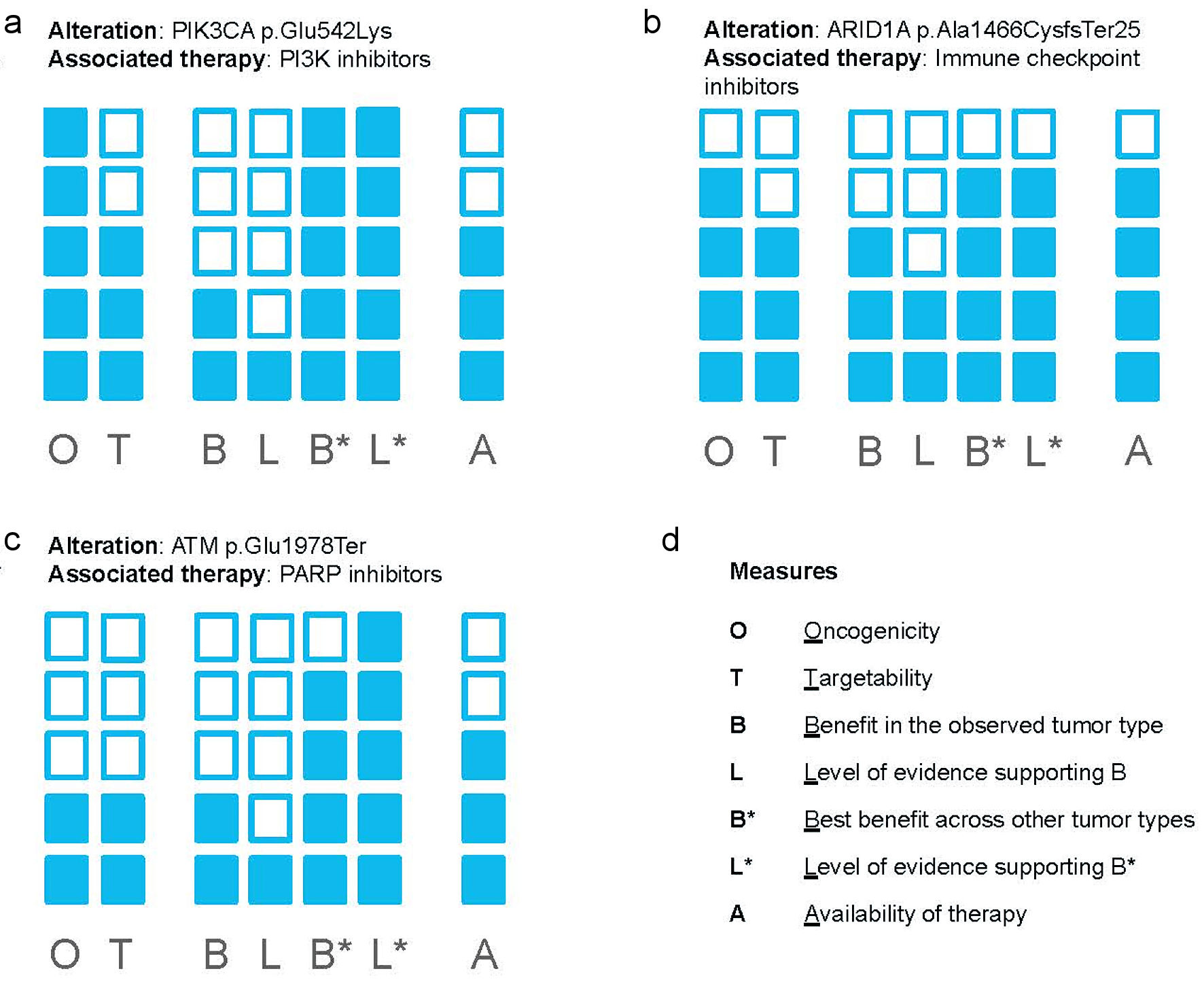 Click for large image | Figure 1. Evidence blocks supporting the clinical significance of the biomarkers (a–c) uncovered by the initial comprehensive genomic profiling and the measures reflected in the evidence blocks (d). Evidence blocks are filled in a similar manner to that of NCCN evidence blocks [20]. NCCN: National Comprehensive Cancer Network. |
In May 2021, recurrence in the anterior abdominal wall and metastatic axillary and supraclavicular lymph nodes was detected. The patient then started pembrolizumab monotherapy from June 2021 until November 2021. No adverse events were detected during treatment. Disease progression was registered in January 2022. Due to the presence of a PIK3CA oncogenic variant, monotherapy with alpelisib was initiated in January 2022. Therapy was well tolerated with grade 1 diarrhea and hyperglycemia that did not require dose adjustment or interruption, and the patient remained stable during 14 months of molecularly matched therapy. The best response was SD. In March 2023, progressive disease (PD) was detected due to enlargement of target lesions (+58% Response Evaluation Criteria in Solid Tumors (RECIST) 1.1) and appearance of new lesions in the left ovary and sternum. Given platinum sensitivity, defined as no disease progression for 6 months after completion of cisplatin-based therapy (from May 2020 to January 2021), and the presence of an ATM alteration detected in tumor DNA, PARP inhibition was considered a potential therapeutic option. Considering limited standard treatment options, the patient then started olaparib in March 2023.
In order to identify other potentially effective treatment options, subsequent CMP was performed in May 2023 using a specimen from a skin metastasis obtained in February 2023. A total of 484 genes (1.5 coding megabases) were analyzed via Solo Complex (TM). Testing again identified the activating somatic PIK3CA p.Glu542Lys variant with high variant allele frequency. Despite no signs of an HRD phenotype based on CNV and allelic imbalance analysis, a secondary somatic deleterious ATM p.Arg1204Ter variant was detected, suggesting a potential loss of heterozygosity at the ATM locus. Two additional variants were identified that are not currently therapeutically actionable, either due to variant of uncertain significance (VUS) status (BRCA2) or the absence of an associated targeted therapy (SPINK1) (Table 1). In June 2023, signs of pleural carcinomatosis, pleural effusion, enlargement of the left ovary, and bile duct dilatation were revealed. The patient then discontinued olaparib and underwent biliary decompression and bilateral adnexectomy. The patient passed away shortly after in June 2023.
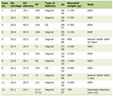 Click to view | Table 1. A Summary of Alterations Uncovered Following Initial (Left) and Subsequent (Right) Genomic Testing |
| Discussion | ▴Top |
Up to 20% of biliary tract cancer (BTC) patients are predicted to harbor potentially targetable alterations [5]. Thus, CMP has become an essential component of systemic treatment of BTCs, guiding molecularly matched therapies [21]. Here, we describe a case of a GBC patient with multiple potentially targetable alterations who was treated with molecularly matched therapy, achieving long-term SD following alpelisib monotherapy, and PD as the best response to olaparib (Fig. 2).
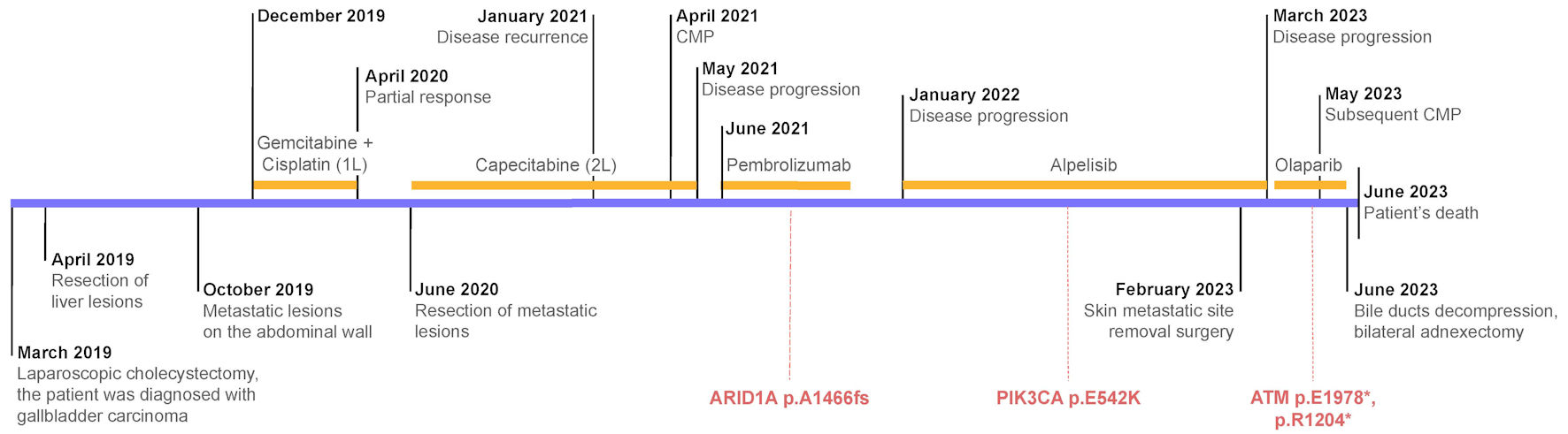 Click for large image | Figure 2. Treatment timeline. Alterations targeted at each line of sequential precision therapy are shown in red. 1L: first line; 2L: second line; CMP: comprehensive molecular profiling. |
Next-generation sequencing (NGS) enables the simultaneous analysis of a broad spectrum of genomic alterations, often resulting in the detection of multiple therapeutically relevant findings. Differentiating between alterations with proven clinical relevance and hypothetical targets requires assigning levels of evidence (LoE) to prioritize the most actionable findings. When several potentially targetable alterations of similar LoE are identified, the optimal therapeutic strategy may be unclear. In such situations, molecularly informed therapies may be administered either in combination or sequentially. Combination strategies have shown potential benefit in advanced cancers, as suggested by trials such as I-PREDICT and NCI-MATCH [22, 23]. However, sequential treatment with targeted agents has also been explored in selected tumor types, such as lung cancer, for specific alterations [24–26]. Although prospective studies have not yet definitively established the superiority of either approach, sequential therapy may reduce treatment-related toxicity [26]. In the present case, a sequential strategy was chosen because the safety and efficacy of combining agents targeting ATM, ARID1A, and PIK3CA had not been established.
The first molecularly informed therapy was pembrolizumab, which was administered off-label based on exploratory evidence linking ARID1A alterations with sensitivity to immune checkpoint inhibition. The tumor had a low TMB (4.2 mutations/Mb), was MSS, and showed pMMR; therefore, the rationale for pembrolizumab treatment was independent of TMB/MSI/MMR status. ICIs targeting programmed cell death protein 1 (PD-1)/programmed death-ligand 1 (PD-L1) have been associated with improved progression-free survival (PFS) across tumor types [18], potentially related to immune microenvironment changes in ARID1A-deficient tumors [27]. Okamura et al reported longer median PFS in patients with ARID1A mutations treated with anti-PD-1/PD-L1 therapy, even after stratification by MSI status (10.9 months vs 3.9 months; hazard ratio (HR), 0.62; P = 0.03) [18]. However, despite the presence of an ARID1A alteration, our patient experienced rapid disease progression on pembrolizumab. Notably, the ARID1A alteration detected in the initial specimen was not identified in the metastatic lesion, which may reflect tumor heterogeneity or clonal evolution and further limits interpretation of ARID1A as a predictive biomarker in this case.
Alpelisib, targeting the PIK3CA mutation, was administered following progression on immunotherapy. Evidence supporting PI3K inhibition in PIK3CA-mutated GBC remains limited. Early-phase studies of PI3K inhibitors in BTCs have demonstrated modest activity, although most patients were not selected based on PIK3CA status [28, 29]. In our case, prolonged disease stabilization for 14 months was observed during alpelisib treatment, despite eventual disease progression. However, this observation cannot be attributed solely to alpelisib, as prior treatments and the underlying biology of the tumor may also have influenced the clinical course. Increased variant allele frequency of PIK3CA in the metastatic lesion may suggest clonal evolution and acquired resistance.
Olaparib was subsequently administered based on the ATM alteration detected in tumor DNA and the prior response to cisplatin-based therapy. However, no clinical benefit was observed. This may reflect the lower efficacy of PARP inhibitors in ATM-mutated tumors compared with BRCA1/2- or PALB2-altered cancers, as well as the absence of an HRD-associated genomic signature. Data on PARP inhibition in GBC are limited and largely extrapolated from other tumor types. In the PROfound study, olaparib did not improve outcomes in patients with ATM alterations [30]. Similarly, limited or absent responses have been reported in other tumor cohorts with ATM mutations [31, 32]. Although isolated case reports suggest occasional responses in GBC, overall evidence remains inconsistent [33–35]. Importantly, HRD phenotype appears less frequent in ATM-mutated tumors compared with BRCA1/2-altered cancers [36]. While homologous recombination repair (HRR) gene alterations are relatively common in BTCs, true HRD phenotype is less frequent [37, 38]. These findings collectively suggest limited predictive value of ATM mutations alone for PARP inhibitor sensitivity in GBC, particularly in the absence of an HRD phenotype.
In summary, this case describes the use of sequential molecularly informed therapy in a patient with advanced GBC harboring multiple potentially actionable alterations. The most notable observation was SD for 14 months during alpelisib treatment; however, the contribution of molecularly informed therapy to overall survival cannot be determined from a single case.
Conclusions
To conclude, we report a case of a patient with GBC harboring multiple genomic alterations who was treated with various molecularly informed regimens. Contrary to a combination treatment approach, pembrolizumab, alpelisib, and olaparib were administered sequentially targeting ARID1A, PIK3CA, and ATM alterations identified after initial CMP in the setting of recurrent disease after prior systemic chemotherapy. The patient had an overall survival of 51 months from diagnosis; however, the relative contribution of surgery, chemotherapy, and molecularly informed therapies to this outcome cannot be determined from a single case. Taken together, the prolonged SD observed during alpelisib treatment supports further investigation of PI3K inhibition in PIK3CA-mutated GBC.
Learning points
Molecular profiling can identify several potential treatment targets in GBC, but the strength of clinical evidence varies across treatment options.
In this patient with PIK3CA-mutated GBC, SD was observed for 14 months during alpelisib monotherapy, supporting further investigation of PI3K inhibition in this setting.
Acknowledgments
The authors would like to thank the patient and her family for their consent for publication.
Financial Disclosure
The authors declare that no financial funding or grant were received for this study.
Conflict of Interest
O. Kuznetsova, E. Belova, A. Kavun, A. Lebedeva, A. Belova, A. Taraskina, V. Mileyko are employees of OncoAtlas LLC. The other authors have no conflict of interest to declare.
Informed Consent
Written informed consent was obtained from the patient for the publication of this case report and accompanying images.
Author Contributions
Conception and design: M. Makarkina, E. Belova, A. Lebedeva. Administrative support: V. Mileyko. Provision of study materials or patients: M. Makarkina, P. Shilo. Collection and assembly of data: O. Kuznetsova, E. Belova, A. Kavun, and A. Lebedeva. Data analysis and interpretation: O. Kuznetsova, A. Taraskina, A. Kavun, and A. Lebedeva. Manuscript writing: all authors. Final approval of manuscript: all authors.
Data Availability
Any inquiries regarding supporting data availability of this study should be directed to the corresponding author.
| References | ▴Top |
- Are C, Ahmad H, Ravipati A, Croo D, Clarey D, Smith L, Price RR, et al. Global epidemiological trends and variations in the burden of gallbladder cancer. J Surg Oncol. 2017;115(5):580-590.
doi pubmed - Hundal R, Shaffer EA. Gallbladder cancer: epidemiology and outcome. Clin Epidemiol. 2014;6:99-109.
doi pubmed - de Savornin Lohman E, de Bitter T, Verhoeven R, van der Geest L, Hagendoorn J, Haj Mohammad N, Daams F, et al. Trends in treatment and survival of gallbladder cancer in the netherlands; identifying gaps and opportunities from a nation-wide cohort. Cancers (Basel). 2020;12(4):918.
doi pubmed - Foster JM, Hoshi H, Gibbs JF, Iyer R, Javle M, Chu Q, Kuvshinoff B. Gallbladder cancer: Defining the indications for primary radical resection and radical re-resection. Ann Surg Oncol. 2007;14(2):833-840.
doi pubmed - de Bitter TJJ, de Reuver PR, de Savornin Lohman EAJ, Kroeze LI, Vink-Borger ME, van Vliet S, Simmer F, et al. Comprehensive clinicopathological and genomic profiling of gallbladder cancer reveals actionable targets in half of patients. NPJ Precis Oncol. 2022;6(1):83.
doi pubmed - Javle M, Rashid A, Churi C, Kar S, Zuo M, Eterovic AK, Nogueras-Gonzalez GM, et al. Molecular characterization of gallbladder cancer using somatic mutation profiling. Hum Pathol. 2014;45(4):701-708.
doi pubmed - Jain A, Javle M. Molecular profiling of biliary tract cancer: a target rich disease. J Gastrointest Oncol. 2016;7(5):797-803.
doi pubmed - Giraldo NA, Drill E, Satravada BA, Dika IE, Brannon AR, Dermawan J, Mohanty A, et al. Comprehensive molecular characterization of gallbladder carcinoma and potential targets for intervention. Clin Cancer Res. 2022;28(24):5359-5367.
doi pubmed - Patel A, Soneji D, Singh HP, Kumar M, Bandyopadhyay A, Mathur A, Sharma A, et al. Genomic landscape and targeted treatment of gallbladder cancer: results of a first ongoing prospective study. South Asian J Cancer. 2020;9(2):74-79.
doi pubmed - Yang W, Liu S, Li X, et al. Evaluation of somatic and germline mutations in Chinese patients with gallbladder carcinoma reveals clinically actionable targets. J Clin Oncol. 2021;39:e16143.
doi - Noguchi R, Yamaguchi K, Ikenoue T, Terakado Y, Ohta Y, Yamashita N, Kainuma O, et al. Genetic alterations in Japanese extrahepatic biliary tract cancer. Oncol Lett. 2017;14(1):877-884.
doi pubmed - Roa I, Garcia H, Game A, de Toro G, de Aretxabala X, Javle M. Somatic mutations of PI3K in early and advanced gallbladder cancer: additional options for an orphan cancer. J Mol Diagn. 2016;18(3):388-394.
doi pubmed - Zehir A, Benayed R, Shah RH, Syed A, Middha S, Kim HR, Srinivasan P, et al. Erratum: Mutational landscape of metastatic cancer revealed from prospective clinical sequencing of 10,000 patients. Nat Med. 2017;23(8):1004.
doi pubmed - Andre F, Ciruelos EM, Juric D, Loibl S, Campone M, Mayer IA, Rubovszky G, et al. Alpelisib plus fulvestrant for PIK3CA-mutated, hormone receptor-positive, human epidermal growth factor receptor-2-negative advanced breast cancer: final overall survival results from SOLAR-1. Ann Oncol. 2021;32(2):208-217.
doi pubmed - Juric D, Rodon J, Tabernero J, Janku F, Burris HA, Schellens JHM, Middleton MR, et al. Phosphatidylinositol 3-Kinase alpha-selective inhibition with Alpelisib (BYL719) in PIK3CA-altered solid tumors: results from the first-in-human study. J Clin Oncol. 2018;36(13):1291-1299.
doi pubmed - Jette NR, Kumar M, Radhamani S, Arthur G, Goutam S, Yip S, Kolinsky M, et al. ATM-deficient cancers provide new opportunities for precision oncology. Cancers (Basel). 2020;12(3):687.
doi pubmed - Shen J, Peng Y, Wei L, Zhang W, Yang L, Lan L, Kapoor P, et al. ARID1A deficiency impairs the DNA damage checkpoint and sensitizes cells to PARP inhibitors. Cancer Discov. 2015;5(7):752-767.
doi pubmed - Okamura R, Kato S, Lee S, Jimenez RE, Sicklick JK, Kurzrock R. ARID1A alterations function as a biomarker for longer progression-free survival after anti-PD-1/PD-L1 immunotherapy. J Immunother Cancer. 2020;8(1):e000438.
doi pubmed - Alldredge JK, Eskander RN. EZH2 inhibition in ARID1A mutated clear cell and endometrioid ovarian and endometrioid endometrial cancers. Gynecol Oncol Res Pract. 2017;4:17.
doi pubmed - Carlson RW, Jonasch E. NCCN evidence blocks. J Natl Compr Canc Netw. 2016;14(5 Suppl):616-619.
doi pubmed - Mosele F, Remon J, Mateo J, Westphalen CB, Barlesi F, Lolkema MP, Normanno N, et al. Recommendations for the use of next-generation sequencing (NGS) for patients with metastatic cancers: a report from the ESMO Precision Medicine Working Group. Ann Oncol. 2020;31(11):1491-1505.
doi pubmed - Sicklick JK, Kato S, Okamura R, Schwaederle M, Hahn ME, Williams CB, De P, et al. Molecular profiling of cancer patients enables personalized combination therapy: the I-PREDICT study. Nat Med. 2019;25(5):744-750.
doi pubmed - O'Dwyer PJ, Gray RJ, Flaherty KT, Chen AP, Li S, Wang V, McShane LM, et al. The NCI-MATCH trial: lessons for precision oncology. Nat Med. 2023;29(6):1349-1357.
doi pubmed - Magios N, Bozorgmehr F, Volckmar AL, Kazdal D, Kirchner M, Herth FJ, Heussel CP, et al. Real-world implementation of sequential targeted therapies for EGFR-mutated lung cancer. Ther Adv Med Oncol. 2021;13:1758835921996509.
doi pubmed - Fang Y, McGrail DJ, Sun C, Labrie M, Chen X, Zhang D, Ju Z, et al. Sequential therapy with PARP and WEE1 inhibitors minimizes toxicity while maintaining efficacy. Cancer Cell. 2019;35(6):851-867.e7.
doi pubmed - Jackson EB, Chia SKL. Sequencing of endocrine and targeted therapies in hormone-sensitive, human epidermal growth factor receptor 2-negative advanced breast cancer. J Clin Oncol. 2023;41(24):3976-3983.
doi pubmed - Gu Y, Zhang P, Wang J, Lin C, Liu H, Li H, He H, et al. Somatic ARID1A mutation stratifies patients with gastric cancer to PD-1 blockade and adjuvant chemotherapy. Cancer Immunol Immunother. 2023;72(5):1199-1208.
doi pubmed - Kim RD, Alberts SR, Pena C, Genvresse I, Ajavon-Hartmann A, Xia C, Kelly A, et al. Phase I dose-escalation study of copanlisib in combination with gemcitabine or cisplatin plus gemcitabine in patients with advanced cancer. Br J Cancer. 2018;118(4):462-470.
doi pubmed - Tan ES, Cao B, Kim J, Al-Toubah TE, Mehta R, Centeno BA, Kim RD. Phase 2 study of copanlisib in combination with gemcitabine and cisplatin in advanced biliary tract cancers. Cancer. 2021;127(8):1293-1300.
doi pubmed - de Bono J, Mateo J, Fizazi K, Saad F, Shore N, Sandhu S, Chi KN, et al. Olaparib for metastatic castration-resistant prostate cancer. N Engl J Med. 2020;382(22):2091-2102.
doi pubmed - Mateo J, Porta N, Bianchini D, McGovern U, Elliott T, Jones R, Syndikus I, et al. Olaparib in patients with metastatic castration-resistant prostate cancer with DNA repair gene aberrations (TOPARP-B): a multicentre, open-label, randomised, phase 2 trial. Lancet Oncol. 2020;21(1):162-174.
doi pubmed - Tung NM, Robson ME, Ventz S, Santa-Maria CA, Nanda R, Marcom PK, Shah PD, et al. TBCRC 048: phase II study of olaparib for metastatic breast cancer and mutations in homologous recombination-related genes. J Clin Oncol. 2020;38(36):4274-4282.
doi pubmed - Zhang W, Shi J, Li R, Han Z, Li L, Li G, Yang B, et al. Effectiveness of olaparib treatment in a patient with gallbladder cancer with an ATM-inactivating mutation. Oncologist. 2020;25(5):375-379.
doi pubmed - Xie Y, Jiang Y, Yang XB, Wang AQ, Zheng YC, Wan XS, Sang XT, et al. Response of BRCA1-mutated gallbladder cancer to olaparib: a case report. World J Gastroenterol. 2016;22(46):10254-10259.
doi pubmed - Golan T, Raitses-Gurevich M, Kelley RK, Bocobo AG, Borgida A, Shroff RT, Holter S, et al. Overall survival and clinical characteristics of BRCA-associated cholangiocarcinoma: a multicenter retrospective study. Oncologist. 2017;22(7):804-810.
doi pubmed - Lotan TL, Kaur HB, Salles DC, Murali S, Schaeffer EM, Lanchbury JS, Isaacs WB, et al. Homologous recombination deficiency (HRD) score in germline BRCA2- versus ATM-altered prostate cancer. Mod Pathol. 2021;34(6):1185-1193.
doi pubmed - Ricci AD, Rizzo A, Bonucci C, Tober N, Palloni A, Mollica V, Maggio I, et al. PARP inhibitors in biliary tract cancer: a new kid on the block? Medicines (Basel). 2020;7(9):54.
doi pubmed - Kelley RK, Ashok A, Mauer E, et al. HRD in biliary tract cancer cohort. J Clin Oncol. 2022;40(4 Suppl):476.
doi
This article is distributed under the terms of the Creative Commons Attribution 4.0 International License (CC BY 4.0), which permits unrestricted use, distribution, and reproduction in any medium, including commercial use, provided the original work is properly cited.
Journal of Medical Cases is published by Elmer Press Inc.