| Journal of Medical Cases, ISSN 1923-4155 print, 1923-4163 online, Open Access |
| Article copyright, the authors; Journal compilation copyright, J Med Cases and Elmer Press Inc |
| Journal website https://jmc.elmerpub.com |
Case Report
Volume 16, Number 12, December 2025, pages 517-521

Remimazolam as an Adjunct to General Anesthesia During Surgery for Congenital Heart Disease in a Pediatric Patient With a Family History of Malignant Hyperthermia
Bradley Blanskya, Christopher McKeeb, Joseph D. Tobiasb, c
aDepartment of Anesthesiology and Pain Medicine, The Ohio State University College of
Medicine, Columbus, OH, USA
bDepartment of Anesthesiology and Pain Medicine,
Nationwide Children’s Hospital, Columbus, OH 43205, USA
cCorresponding
Autor: Joseph D. Tobias, Department of Anesthesiology and Pain Medicine, Nationwide
Children’s Hospital, Columbus, OH 43205, USA
Manuscript submitted September 29, 2025, accepted November 10, 2025, published online November
28, 2025
Short title: Remimazolam and MH
doi: https://doi.org/10.14740/jmc5216
| Abstract | ▴Top |
Malignant hyperthermia (MH) is an inherited disorder of muscle physiology, triggered by various pharmacologic agents including succinylcholine or the volatile anesthetic agents. In susceptible patients, intraoperative care may be provided by total intravenous anesthesia (TIVA) with propofol or other sedative-hypnotic agents. Remimazolam is a novel benzodiazepine which possesses sedative, anxiolytic, and amnestic properties similar to those of midazolam. Metabolism by tissue esterases results in a half-life of 5 - 10 min, a limited context sensitive half-life, which may make it a suitable agent for continuous administration during TIVA. We present anecdotal experience with the use of remimazolam as an adjunct to general anesthesia during the intraoperative care of a 6-month-old patient undergoing surgery for congenital heart disease with cardiopulmonary bypass. Previous reports regarding the use of remimazolam in MH-susceptible patients are reviewed, and its role in this clinical scenario is discussed.
Keywords: Malignant hyperthermia; Remimazolam; Total intravenous anesthesia; Congenital heart disease; Pediatric anesthesiology
| Introduction | ▴Top |
Malignant hyperthermia (MH) is a familial disorder of muscle metabolism and physiology that results in an acute hypermetabolic syndrome, triggered by the administration of succinylcholine or a volatile anesthetic agent [1, 2]. The primary cellular defect has been identified in the calcium release channel of the sarcoplasmic reticulum known as RYR1 or the ryanodine receptor. A defect in the receptor leads to excessive cytosolic calcium following exposure to a triggering agent with ongoing skeletal muscle contraction and hypermetabolism leading to tachycardia, muscle rigidity, hypercarbia, respiratory and metabolic acidosis, and rhabdomyolysis. Treatment includes supportive care of the metabolic derangements and hyperthermia, discontinuation of triggering agents, and the administration of dantrolene. Most importantly, avoidance of triggering agents is mandatory in patients with a personal or family history of MH. For patients requiring general anesthesia, alternatives to volatile anesthetic agents generally include use of a total intravenous anesthetic (TIVA) technique with continuous infusions of intravenous agents such as propofol and synthetic opioids [3]. However, in patients with comorbid cardiac conditions, there may be deleterious effects of propofol on cardiovascular function including depressed myocardial contractility, a decrease in systemic vascular resistance (SVR), and bradycardia [4, 5].
Remimazolam is an ultra-short-acting benzodiazepine that acts as a positive allosteric modulator of the GABAA receptor and, unlike traditional benzodiazepines or propofol, it is metabolized by tissue esterases and therefore is not dependent on hepatic or renal pathways [6]. In addition, remimazolam has been shown to have fewer adverse hemodynamic effects compared to propofol [7]. We present anecdotal experience with its use as an adjunct to propofol anesthesia in a pediatric patient with a suspected family history of MH, who presented for cardiac surgery with cardiopulmonary bypass (CPB). Previous reports of the use of remimazolam in MH-susceptible patients are reviewed and its potential role in such patients discussed.
Review of this case and presentation in this format followed the guidelines of the Institutional Review Board of Nationwide Children’s Hospital (Columbus, Ohio).
| Case Report | ▴Top |
Investigations
The patient was a 6-month-old, 5.9-kg female infant who was born at term with a history significant for complete atrioventricular canal defect (AVCD), who presented for operative repair.
Diagnosis
The patient had no prior anesthetic history; however, the family history was notable for a first-degree relative (father) with a history of MH. The patient’s father endorsed having an MH episode after an elective tonsillectomy at 1 year of age. The medical record was not available; however, the history was confirmed by the paternal grandmother.
Treatment
The patient was assigned an American Society of Anesthesiologists’ physical status of 4. Given the concern for a possible MH reaction, the anesthesia team elected to proceed with an MH-safe anesthetic to include sedation with nitrous oxide in oxygen for placement of an intravenous cannula followed by TIVA using non-triggering anesthetic agents (remifentanil, remimazolam, and dexmedetomidine). The patient was held nil per os for 6 h. The anesthesia machine was prepared according to departmental policy for MH-susceptible patients, which included removal of the anesthesia vaporizers, scheduling the case as the first of the day, replacement of the carbon dioxide absorber and anesthesia circuit, and a high-flow (10 L/min) flush of the anesthesia machine for 1 h. Additionally, a supply of dantrolene and other supplies are always present in the operating room on a separate cart designated for the treatment of MH emergencies. Preoperatively, the patient was premedicated with oral midazolam (0.5 mg/kg) following our routine clinical practice and based on the availability of an oral formulation. The patient was transported to the operating room, and routine American Society of Anesthesiologists’ monitors were placed. Given the patient’s age, processed electroencephalography monitoring with the bispectral index was not used. Following the administration of 70% nitrous oxide in oxygen, peripheral intravenous access was obtained. Anesthesia was induced by infusions of remimazolam (10 µg/kg/min) and dexmedetomidine (0.5 µg/kg/min), which were administered through a dedicated infusion site to prevent inadvertent bolus doses. Once there was loss of consciousness and the lid reflex, endotracheal intubation was facilitated by the administration of fentanyl (25 µg) and rocuronium (5 mg). Following endotracheal intubation, a second peripheral intravenous cannula, an arterial cannula, and a central venous cannula were placed. After the patient was positioned and prepped for surgery, remifentanil was started (0.3 µg/kg/min), the dexmedetomidine was continued (0.5 µg/kg/min), and the remimazolam infusion increased to 12 µg/kg/min and then to 15 µg/kg/min. Following median sternotomy and the administration of heparin, the patient was cannulated for CPB and cooled to 32 °C. To limit effects on cardiac conduction, the dexmedetomidine infusion was discontinued during rewarming per our usual intraoperative pathway. During rewarming, a milrinone infusion was started at 0.25 µg/kg/min and continued for the first postoperative day (POD). Total CPB and aortic cross-clamp time were 149 and 119 min, respectively. To treat hypertension following CPB, several bolus doses of propofol (2 - 4 mg/kg) were administered, along with additional boluses of fentanyl (total 35 µg), and a nitroprusside infusion was briefly required (1 µg/kg/min). Following closure of the surgical incision, residual neuromuscular blockade was reversed with sugammadex (initial dose of 8 mg/kg followed by a second dose of 8 mg/kg). As train-of-four monitoring was not in use for this patient, sugammadex dosing, including the decision to give a second dose, was based on clinical assessment.
Follow-up and outcomes
The patient was transported to the intensive care unit (ICU) intubated due to residual sedation; however, he was extubated to a nasal cannula within 4 h of ICU admission. The oxygen requirement was weaned to room air within the first 24 postoperative hours. No clinical signs or concerns suggestive of MH, such as alterations in body temperature, heart rate (HR), arterial or end-tidal carbon dioxide, or serum potassium concentrations, were noted. No rhythm disturbances other than occasional premature ventricular contractions that did not require therapy, were noted during the perioperative period. The milrinone infusion was discontinued on POD 1. No other vasoactive agents were administered. Pain was well controlled with acetaminophen, ketorolac, and intravenous morphine as needed with transition to oral oxycodone on POD 2 at which time surgical chest tube drains and pacing wires were removed. The patient was transferred to the inpatient ward on POD 2 and discharged home on POD 6.
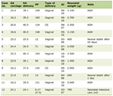
As shown in Table 1, the perioperative care and key events for the patient are summarized.
 Click to view |
Table 1. Summary of Perioperative Care and
Events |
| Discussion | ▴Top |
Although an acute MH crisis is uncommon, anesthesia providers are often required to provide anesthesia for patients who have a family history of MH. Given that mutations in RYR1 are typically autosomal dominant, patients who have relatives with MH are considered MH-susceptible. A “non-triggering” anesthetic can be provided to such patients who are MH-susceptible, using a variety of intravenous anesthetic agents to achieve the triad of anesthesia, analgesia, and amnesia. While propofol has traditionally be used for TIVA and procedural sedation in these scenarios, the hemodynamic effects including peripheral vasodilation and decreased inotropy may limit its use in patients with comorbid cardiac conditions [8, 9]. Additional concerns include an increasing context-sensitive half-life after prolonged infusions, pain with injection, and the potential for propofol infusion syndrome [10, 11].
In contrast, remimazolam, which was approved by the Food and Drug Association (FDA) in 2020 for use in adults, has unique pharmacological properties that may be able to address the shortcomings of propofol as an intravenous anesthetic. Remimazolam has been shown to be safe in both adult and pediatric patients requiring procedural sedation or general anesthesia as both a primary and adjunctive agent [6, 12]. Due to its predictable metabolism by tissue esterases to inactive metabolites, remimazolam can be safely administered to patients with renal impairment as well as mild to moderate hepatic dysfunction. An additional benefit noted in anecdotal experience is a lack of impact on cardiac conduction function [13].
Both laboratory investigations and anecdotal clinical experience have suggested the safety of remimazolam in MH-susceptible patients. In an in vitro experiment, the responsiveness to caffeine was compared in HEK-293 cells expressing wild-type RYR1 with those of mutant RYR1 following perfusion with remimazolam or propofol [14]. Despite exposure to 100-fold higher concentrations than used clinically, neither remimazolam nor propofol promoted the caffeine-induced increase in intracellular calcium concentrations in cells expressing the mutant RYR1 receptor. This laboratory evaluation is further supported by anecdotal case reports outlining the successful use of remimazolam in MH or MH susceptible patients [15-19]. Our case adds another example, in a unique clinical scenario to this limited list. In addition to the paternal history of MH, this case is also unique due to several factors, including the patient’s young age (6 months) and the use of CPB during surgery for congenital heart disease.
Given the limited experience with the use of remimazolam in infants and children, dosing parameters are extrapolated from the adult population, supplemented by the growing clinical experience in pediatric-aged patients. In adults, the induction of general anesthesia has typically been achieved either with a temporary infusion rate of 12 mg/kg/h (0.2 mg/kg per minute) for 1 - 5 min or with intermittent bolus doses of 0.1 - 0.2 mg/kg until loss of consciousness is observed. Maintenance doses range from 1 to 2 mg/kg/h (17 - 33 µg/kg/min), with the higher end of the range being used if remimazolam is the sole agent for general anesthesia and not used to supplement propofol or a volatile anesthetic agent. In our patient, dosing was based not only on published clinical experience from the literature, but also our institutional experience. As we used remimazolam as an adjunct to other agents, dosing varied from 10 to 15 µg/kg/min. However, significant variations in pharmacokinetics may be present during surgery for congenital heart disease including hemodilution, use of CPB, and alterations in body temperature. Additional studies are necessary to better define safe and effective pediatric dosing guidelines in various patient populations.
Learning points
MH is an acute hypermetabolic syndrome, triggered in susceptible patients by the administration of succinylcholine or a volatile anesthetic agent. The primary cellular defect responsible for MH has been identified as the calcium release channel of the sarcoplasmic reticulum (RYR1, ryanodine receptor). Patients with a family history of MH or who are MH susceptible can be safely cared for intraoperatively by the use of non-triggering agents (TIVA). Laboratory and anecdotal clinical experiences support the safety of remimazolam. Remimazolam is an ultra-short acting benzodiazepine, which undergoes metabolism by tissue esterases. It has been used successfully in adult and pediatric patients undergoing both procedural sedation and general anesthesia. Potential advantages of remimazolam over propofol include a more favorable effect on cardiovascular dynamics and a limited context-sensitive half-life.
Acknowledgments
None to declare.
Financial Disclosure
None to declare.
Conflict of Interest
None to declare.
Informed Consent
Informed consent was obtained from a parent for anesthetic care and use of patient data for publication purposes. The patient information was deidentified for publication.
Author Contributions
BB provided clinical care for the patient, performed the initial case review and manuscript preparation, and edited subsequent revisions. CM provided clinical care for the patient and participated in manuscript preparation. JT contributed to literature review and editing of the manuscript.
Data Availability
The data supporting the findings of this study are available from the corresponding author upon reasonable request.
| References | ▴Top |
- Hopkins PM, Girard T, Dalay S, Jenkins B, Thacker A, Patteril M,
McGrady E. Malignant hyperthermia 2020: Guideline from the Association of Anaesthetists.
Anaesthesia. 2021;76(5):655-664.
doi pubmed - Ruffert H, Bastian B, Bendixen D, Girard T, Heiderich S, Hellblom A,
Hopkins PM, et al. Consensus guidelines on perioperative management of malignant hyperthermia
suspected or susceptible patients from the European Malignant Hyperthermia Group.
Br J Anaesth. 2021;126(1):120-130.
doi pubmed - Nimmo AF, Absalom AR, Bagshaw O, Biswas A, Cook TM, Costello A,
Grimes S, et al. Guidelines for the safe practice of total intravenous anaesthesia (TIVA): Joint
Guidelines from the Association of Anaesthetists and the Society for Intravenous Anaesthesia.
Anaesthesia. 2019;74(2):211-224.
doi pubmed - Hug CC, Jr., McLeskey CH, Nahrwold ML, Roizen MF, Stanley TH, Thisted
RA, Walawander CA, et al. Hemodynamic effects of propofol: data from over 25,000 patients.
Anesth Analg. 1993;77(4 Suppl):S21-29.
pubmed - Williams GD, Jones TK, Hanson KA, Morray JP. The hemodynamic effects
of propofol in children with congenital heart disease. Anesth Analg.
1999;89(6):1411-1416.
doi pubmed - Tobias JD. Clinical experience with remimazolam in pediatric
anesthesiology: An educational focused review. Paediatr Anaesth. 2024;34(11):1095-1106.
doi pubmed - Peng X, Liu C, Zhu Y, Peng L, Zhang X, Wei W, Zhu T. Hemodynamic
influences of remimazolam versus propofol during the induction period of general anesthesia: a
systematic review and meta-analysis of randomized controlled trials. Pain Physician.
2023;26(7):E761-E773.
pubmed - Fechner J, El-Boghdadly K, Spahn DR, Motsch J, Struys M, Duranteau O,
Ganter MT, et al. Anaesthetic efficacy and postinduction hypotension with remimazolam compared
with propofol: a multicentre randomised controlled trial. Anaesthesia.
2024;79(4):410-422.
doi pubmed - Nakanishi T, Sento Y, Kamimura Y, Tsuji T, Kako E, Sobue K.
Remimazolam for induction of anesthesia in elderly patients with severe aortic stenosis: a
prospective, observational pilot study. BMC Anesthesiol. 2021;21(1):306.
doi pubmed - Singh A, Anjankar AP. Propofol-related infusion syndrome: a clinical
review. Cureus. 2022;14(10):e30383.
doi pubmed - Wolf AR, Potter F. Propofol infusion in children: when does an
anesthetic tool become an intensive care liability? Paediatr Anaesth.
2004;14(6):435-438.
doi pubmed - Zhang H, Li H, Zhao S, Bao F. Remimazolam in general anesthesia: a
comprehensive review of its applications and clinical efficacy. Drug Des Devel Ther.
2024;18:3487-3498.
doi pubmed - Kalsotra S, Khan S, McKee C, Tobias JD. Remimazolam as the Primary
Agent for Sedation During Cardiac Catheterization in Three Patients With Comorbid Cardiac
Conduction Abnormalities. Cardiol Res. 2023;14(1):86-90.
doi pubmed - Watanabe T, Miyoshi H, Noda Y, Narasaki S, Morio A, Toyota Y, Kimura
H, et al. Effects of remimazolam and propofol on Ca(2+) regulation by ryanodine receptor 1 with
malignant hyperthermia mutation. Biomed Res Int. 2021;2021:8845129.
doi pubmed - Uchiyama K, Sunaga H, Katori N, Uezono S. General anesthesia with
remimazolam in a patient with clinically suspected malignant hyperthermia. JA Clin Rep.
2021;7(1):78.
doi pubmed - Kondo H, Mukaida K, Sasai K, Nao Y, Hashimoto K, Miyoshi H, Kanzaki
R, et al. Remimazolam-based total intravenous anesthesia in a patient with a confirmed diagnosis
of malignant hyperthermia: a case report. JA Clin Rep. 2024;10(1):26.
doi pubmed - Petkus H, Willer BL, Tobias JD. Remimazolam in a pediatric patient
with a suspected family history of malignant hyperthermia. J Med Cases.
2022;13(8):386-390.
doi pubmed - Zhu K, Wu S, Hao X, Wang C. Successful sedation with remimazolam and
alfentanil in a child susceptible to malignant hyperthermia: a case report. BMC Anesthesiol.
2025;25(1):207.
doi pubmed - Matsumoto T, Sakurai K, Takahashi K, Kawamoto S. Use of remimazolam
in living donor liver transplantation: a case report. JA Clin Rep. 2022;8(1):65.
doi pubmed
This
article is distributed under the terms of the Creative Commons Attribution Non-Commercial 4.0
International License, which permits unrestricted non-commercial use, distribution, and
reproduction in any medium, provided the original work is properly cited.
Journal
of Medical Cases is published by Elmer Press Inc.